
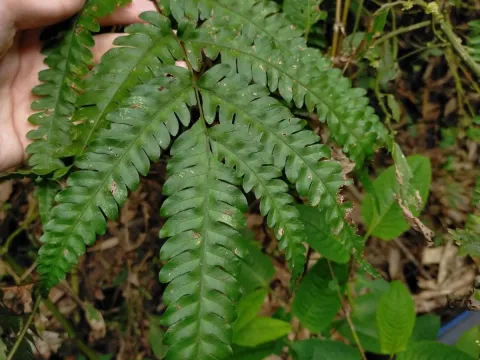
Pteris amoena
Pteris amoena
Pteris amoena is an evergreen fern species belonging to the Pteridaceae family. Originating from the humid forests of Southeast Asia, this plant has adapted to shaded environments with consistent moisture availability and moderate temperatures throughout the year.
What the section contains
Pteris amoena
The morphology of the plant includes delicate, bipinnate fronds emerging from a creeping rhizome. This architectural structure makes it a popular choice for indoor decorative horticulture, especially in temperate regions where it is grown in controlled environments.
Agronomically, the plant demands a well-draining substrate rich in organic matter. A mixture of peat, perlite, and composted bark provides the ideal root environment, ensuring aeration while retaining necessary moisture levels for growth.
Climatic requirements focus on high atmospheric humidity and protection from direct solar radiation. Exposure to full sunlight can cause significant physiological stress, leading to frond desiccation and chlorosis of the delicate foliage.
Water quality is a critical factor for successful cultivation. The species is sensitive to high salinity and fluoride levels, suggesting that the use of filtered or rainwater is preferred to prevent tip burn and root damage.
The most common pests affecting Pteris amoena under greenhouse conditions are spider mites and mealybugs. These pests thrive in environments with low air circulation and relative humidity, often causing severe damage to new, tender fronds.
Root rot pathogens, such as Pythium and Phytophthora, present a constant threat when the soil remains waterlogged. Preventing saturation and ensuring effective drainage are the primary defense strategies against these soil-borne diseases.
Fungal leaf spots can occur if the foliage is kept wet for extended periods without adequate ventilation. Ensuring proper spacing between plants helps to reduce the incidence of these fungal pathogens by promoting natural airflow.
Integrated Pest Management (IPM) practices, including the use of neem oil or insecticidal soaps, are effective for controlling mild infestations without harming the delicate fronds of the fern.
Regular monitoring of environmental parameters and sanitation of growing areas are essential to prevent the establishment of persistent pest populations within the facility.