
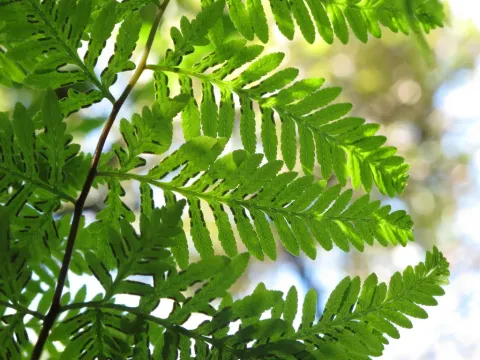
Pteris
Pteris L.
Pteris is a genus of ferns belonging to the Pteridaceae family. Native to tropical and subtropical regions across the globe, these plants are highly valued in the nursery industry for their lush foliage and adaptability to various indoor environments.
What the section contains


Pteris
Environmental conditions play a critical role in the development of Pteris. The plant requires temperatures between +18°C and +25°C, with high humidity levels essential to prevent leaf desiccation. Stability is key, as sudden shifts in temperature can lead to stunted growth.
The substrate must be well-draining, nutrient-rich, and slightly acidic, with a pH ranging from 5.0 to 6.0. Professional growers often utilize a mix of peat moss, perlite, and coarse sand to ensure optimal aeration and moisture retention for the root system.
Lighting requirements for Pteris involve filtered or indirect sunlight. Exposure to direct radiation can damage the delicate fronds, leading to permanent bleaching or browning. Controlled environments in greenhouses often use shade cloths to regulate light intensity.
The economic value of Pteris lies primarily in its decorative utility. It is a staple crop in the ornamental sector, widely propagated for retail as a houseplant or used in large-scale interior landscaping projects due to its elegant appearance.
Pteris is susceptible to common greenhouse pests, including spider mites, scale insects, and mealybugs. Effective management programs involve routine inspection, biological control methods, and the targeted application of acaricides or insecticides when infestation thresholds are exceeded.
Pathological threats primarily involve root and crown rot caused by overwatering and poor drainage. Maintaining a strict irrigation schedule and ensuring the pot or soil bed allows for adequate excess water runoff are the primary defenses against these fungal pathogens.