
Pellaea
Pellaea Link
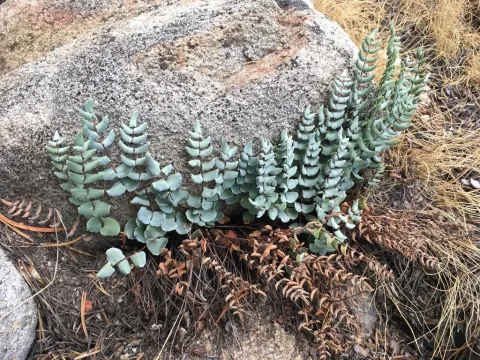
Pellaea is a genus of perennial ferns belonging to the Pteridaceae family. These plants are native to diverse regions across the Southern Hemisphere, thriving in rocky crevices and temperate forests of South Africa, New Zealand, and North America.
What the section contains


Pellaea
The botanical structure of Pellaea is characterized by its wiry stems and leathery leaflets, often referred to as cliff brakes. This morphology allows them to store water efficiently, making them more drought-tolerant than many other fern species.
Optimal growth requires bright, indirect light conditions. Direct sunlight will lead to scorched fronds, while extremely low light levels can result in leggy and weak growth, significantly reducing the plant's aesthetic and commercial value.
Soil requirements involve a well-draining, slightly acidic medium. A standard mixture of peat moss, perlite, and high-quality potting soil works best to ensure sufficient aeration for the delicate root system while maintaining constant moisture.
Cultural practices include consistent watering during the growing season using room-temperature, filtered water. Fertilization should be light; a balanced liquid fertilizer applied at half-strength during the spring and summer supports healthy leaf development.
The most common pests affecting Pellaea include scale insects and spider mites. These pests thrive in dry environments, necessitating regular monitoring and, if necessary, the application of horticultural oils or systemic insecticides to protect the foliage.
Fungal issues such as Pythium root rot frequently occur if the plant is overwatered or if drainage is inadequate. Managing soil moisture and providing good air circulation are essential steps in preventing these diseases and ensuring the longevity of the plant.