
Paraceterach
Paraceterach
Paraceterach is a genus of ferns belonging to the Aspleniaceae family. These plants are known for their resilience and adaptation to rocky habitats, typically characterized by crevices and limestone formations in their native wild ranges.
What the section contains

Paraceterach
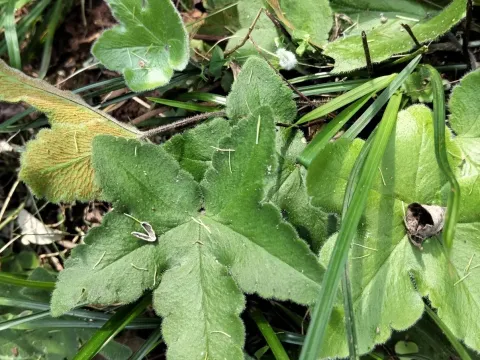
The botanical structure of the plant features leathery fronds covered with distinctive scales or hairs on the underside. This is a crucial physiological adaptation that helps the fern retain moisture and survive in high-exposure environments where water availability is limited.
Cultivation requires a substrate that mimics natural rocky conditions, focusing on excellent drainage. A mixture composed of crushed gravel, coarse sand, and a small amount of organic matter is ideal for preventing root rot and providing necessary anchorage.
Environmental preferences include bright, indirect light. While they can tolerate periods of drought, consistent air circulation is essential. Stagnant air combined with high humidity often leads to bacterial or fungal colonization, which can quickly degrade the plant's health.
Economic and horticultural use is primarily focused on specialized xeriscape gardening and rock gardens. Paraceterach is highly valued for its ability to thrive in low-nutrient, high-drainage soil conditions, requiring minimal intervention compared to other ornamental ferns.
The main threats to the plant are fungal infections caused by waterlogged soil conditions. Root rot is the most common issue, often manifesting as darkening of the root system and drooping fronds, necessitating immediate repotting into a drier medium.
Insect pests such as scale insects and spider mites are frequent invaders. Because of the scales on the underside of the fronds, these pests can be difficult to manage with surface-level pesticide applications, requiring systemic treatments for effective control.
Aphids can also pose a risk during the spring growth phase when fresh, succulent fronds are emerging. Regular monitoring of new growth is critical to prevent colony formation and subsequent structural damage to the fern's fragile tissues.
Leaf spot diseases, caused by various fungal pathogens, may occur if water is allowed to pool on the leaf surfaces for extended periods. Keeping the foliage dry and maintaining adequate spacing between plants are key preventive measures.
To ensure long-term viability, it is recommended to sanitize all gardening tools before working with Paraceterach, especially during propagation by division. Contamination from other diseased plants remains a high risk factor for the health of this genus.