
Pellaea
Pellaea
Pellaea is a genus of perennial decorative ferns belonging to the Pteridaceae family. The genus includes approximately 80 species native primarily to tropical and subtropical regions of the Southern Hemisphere, including Southern Africa and New Zealand.
What the section contains


Pellaea
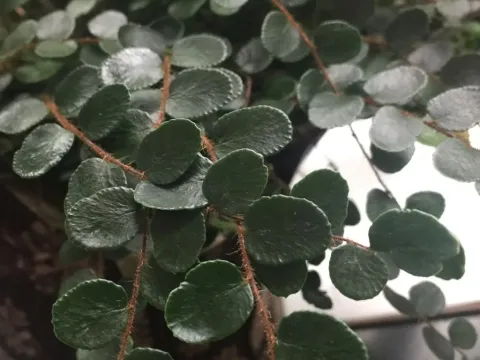
The plant is known for its leathery, dark-green leaflets arranged on polished, wiry stems. Unlike many other ferns, Pellaea is relatively tolerant of lower humidity levels, making it a popular choice for indoor gardens, terrariums, and specialized conservatory displays.
Successful cultivation requires bright, indirect light, as direct sunlight can scorch the delicate fronds. The ideal temperature range during the active growing season is +20°C to +25°C, while cooler conditions around +15°C to +18°C are preferred during the winter dormancy period.
The growing medium must be well-draining and slightly acidic. A mix of peat, leaf mold, and coarse sand in equal parts works well. Proper drainage is essential to ensure that water does not accumulate at the bottom of the pot, which is critical for root health.
Watering should be moderate and consistent. The top layer of the soil should be allowed to dry slightly between waterings to prevent root rot. It is advisable to use soft, room-temperature water to avoid mineral buildup on the leaves.
Common pests affecting Pellaea include scale insects and spider mites. Scale insects attach to the stems and leaves, requiring manual removal or systemic insecticides for control. Regular inspection is key to early detection.
Spider mites often infest Pellaea in environments with very low humidity. If an infestation occurs, increasing ambient humidity and using appropriate acaricides will effectively manage the pest population and prevent foliage damage.
Root rot is the most significant health threat, usually caused by overwatering or poor soil drainage. If the plant shows signs of wilting despite moist soil, it is necessary to check the roots, prune the decayed sections, and repot in fresh, sterile soil.
Fungal leaf spot can develop when air circulation is poor or when water remains on the fronds for too long. To minimize risks, water the soil directly rather than overhead, and ensure that the plant is kept in a well-ventilated area.
Preventative care involves consistent monitoring of moisture levels and providing balanced nutrition. Fertilizing with a diluted liquid fertilizer for ferns during the growth phase significantly improves the plant's resistance to environmental stresses and diseases.