
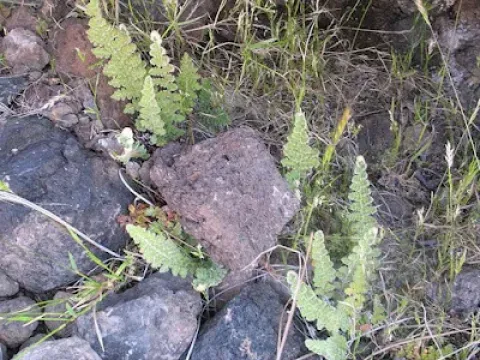
Notholaena
Notholaena
Notholaena is a distinct genus of ferns belonging to the Pteridaceae family. Unlike many typical ferns that thrive in high humidity and tropical climates, Notholaena species are characterized as xeric, having evolved to endure arid conditions and drought stress.
What the section contains

Notholaena
These plants are native to the arid regions of North and South America. They are typically found in rocky crevices, slopes, and desert landscapes where water availability is infrequent, demonstrating remarkable adaptability to harsh environmental stress.
The botanical structure of Notholaena includes fronds that are often covered in specialized hairs, scales, or white farina. This coating plays a crucial role in reflecting intense solar radiation and minimizing transpiration, allowing the plant to maintain water balance under extreme sunlight.
Successful cultivation requires a substrate that mimics natural rocky habitats. It is essential to use a highly porous, gritty mix that provides excellent drainage and aeration. Compact, moisture-retentive soils are detrimental to the root system and must be avoided at all costs.
In terms of climate requirements, Notholaena demands bright, indirect light to maintain its compact habit and color. While they are resilient, they do not tolerate being waterlogged. The watering regime should be cautious, allowing the soil to dry out significantly between irrigation events.
The most significant threat to Notholaena is root rot, primarily caused by excessive moisture and poor drainage. Once root tissue begins to decay due to anaerobic conditions, the plant loses its ability to uptake nutrients, leading to rapid deterioration and death.
Pest management is another critical aspect of Notholaena care. Common greenhouse pests, particularly scale insects and mealybugs, can infest the fronds. These pests hide on the underside of the leaves, making them difficult to detect until the infestation becomes severe.
Cultural control, including maintaining good air circulation around the plants, is the primary method for preventing fungal infections. If a pest outbreak occurs, the use of systemic insecticides or horticultural oils is recommended, while ensuring the application method does not damage the delicate frond coating.
Powdery mildew can occur if the humidity is too high or if there is stagnant air in the growing environment. This fungal disease creates a visible white, fuzzy layer on the fronds, which can impede photosynthesis and eventually kill the plant tissue if left untreated.
To keep the plants healthy, regular inspections for early signs of disease are necessary. By strictly controlling watering cycles and ensuring the potting medium is appropriate for a xeric plant, most environmental and pathological threats can be effectively managed.