
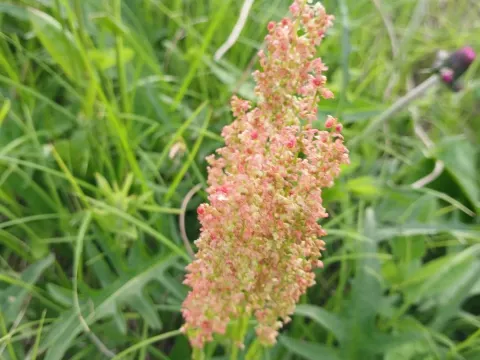
Pyramidal sorrel
Rumex thyrsiflorus
Pyramidal sorrel (Rumex thyrsiflorus) is a perennial herbaceous plant belonging to the Polygonaceae family, noted for its hardiness and adaptability to various temperate climates.
What the section contains
Pyramidal sorrel
The seeds are typically sown in early spring as soon as the soil reaches a workable condition, ensuring that moisture levels are sufficient for germination.
Autumn sowing is another viable method, performed just before the onset of permanent ground frost to allow for early development in the following spring.
Seeds should be planted at a shallow depth of approximately 1 to 2 centimeters in rows spaced 20 to 30 centimeters apart to allow for proper airflow.
Proper field preparation, including the removal of perennial weeds and incorporation of compost, is essential for establishing a long-lasting and productive sorrel bed.
This crop thrives in fertile, loamy soils that possess a slightly acidic to neutral pH, which is optimal for the efficient uptake of soil nutrients.
Pyramidal sorrel prefers full sun exposure to maximize photosynthetic activity, though it can tolerate partial shade in areas with high summer temperatures.
Consistent soil moisture is a key factor in cultivation, as drought stress often forces the plant into early flowering, which decreases leaf quality.
The plant is exceptionally winter-hardy and requires minimal protection, capable of surviving harsh freezing temperatures throughout the dormancy period.
Regular fertilization with nitrogen-based organic matter during the active growth phase significantly boosts the production of succulent, high-quality leaves.
The primary diseases affecting Pyramidal sorrel include various fungal leaf spots and rust, which often emerge during periods of prolonged damp and stagnant weather.
Insect pests, such as aphids and leaf-eating beetles, represent a common challenge, often requiring mechanical control or the use of mild botanical insecticides.
Maintaining proper spacing between rows is a critical preventive measure, as it prevents the buildup of humidity and reduces the incidence of fungal pathogens.
Rotating the crop every few years is highly recommended to disrupt the life cycle of soil-borne pests and maintain the fertility of the planting site.
Monitoring the undersides of the leaves for early signs of infestation is a simple yet effective way to manage pest populations before they cause damage.
Harvesting usually commences when the plants have developed a full rosette of leaves, typically 40 to 50 days after the initial sowing process.
Leaves are best harvested by trimming them carefully with a sharp knife, leaving the crown of the plant intact to facilitate regrowth for subsequent harvests.
Depending on local climate conditions, producers can perform multiple cuttings per season, provided the plants are allowed adequate recovery time.
Post-harvest management involves rapid cooling or immediate utilization, as the delicate leaves are prone to rapid wilting and loss of nutritional value.
It is important to cease harvesting in late summer to ensure that the plant redirects its energy toward building root reserves for the coming winter.