
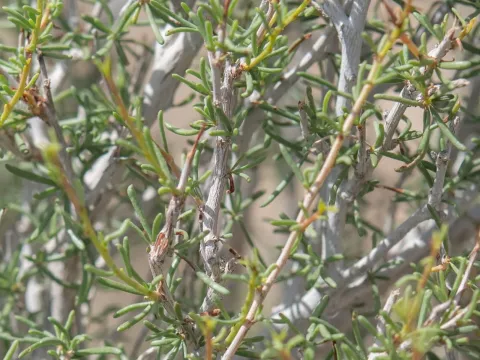
Pteropyrum
Pteropyrum
Pteropyrum is a genus of perennial shrubs belonging to the Polygonaceae family. These plants are uniquely adapted to thrive in extremely arid environments, including deserts and rocky slopes across Western Asia and the Caucasus region.
What the section contains
Pteropyrum
The plant exhibits remarkable xerophytic characteristics, allowing it to survive in regions with minimal annual rainfall. Its physiological structure is designed for maximum water retention, making it a focus of study for desert agriculture and land reclamation projects.
Botanically, Pteropyrum features a robust root system capable of reaching deep aquifers. The stems are often woody and structurally hardened, while the leaves are reduced or adapted to minimize transpiration during intense summer heat.
Regarding soil requirements, Pteropyrum prefers well-drained, stony, or sandy substrates. It is highly intolerant of waterlogging, which can cause rapid root decay. The plant thrives in environments where other traditional crops would fail due to low nutrient availability.
Agricultural use of Pteropyrum is primarily focused on forage for livestock in arid regions. Its resilience to grazing and ability to remain palatable in dry conditions make it an essential resource for pastoral farming in semi-desert landscapes.
While Pteropyrum is naturally resistant to most common agricultural pests, it can suffer from root rot if introduced into areas with excessive soil moisture. Proper drainage remains the most critical preventative measure for plant health.
Pests that occasionally affect Pteropyrum include specific leaf-eating beetles and grasshoppers. Because the plant grows in isolated or harsh terrains, insect populations are generally kept in check by natural predators and the environmental conditions.
In cases of high pest pressure, integrated pest management is recommended. This involves monitoring the canopy and ensuring that the plant density does not create microclimates that favor pest breeding or fungal development.
Fungal diseases such as rust can occur in unusually wet years. When signs of infection appear, removing affected branches is the most effective approach to prevent the spread of spores throughout the shrub population.
Maintaining a balanced ecosystem is the best strategy for protecting Pteropyrum stands. Chemical intervention is rarely required, and minimal human interference ensures that the plant remains adapted to its local ecological niche.