
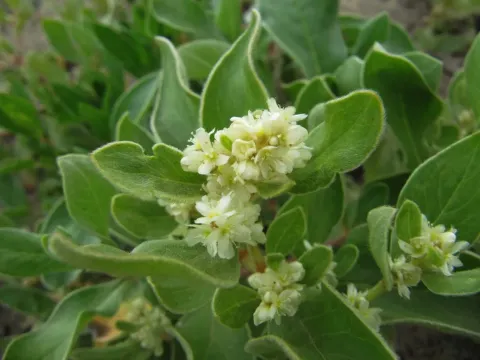
Polygonum sericeum
Polygonum sericeum
Polygonum sericeum, commonly known as silky knotweed, is a perennial herbaceous plant belonging to the Polygonaceae family. It is recognized for its robust growth habit and adaptability to various environmental conditions, making it a reliable crop for specific agricultural purposes.
What the section contains
Polygonum sericeum
The optimal time for sowing is early spring when the soil temperature consistently reaches at least 8-10 degrees Celsius. Seeds should be sown at a depth of approximately 1-2 centimeters to ensure adequate moisture availability without inhibiting emergence.
For those starting in controlled environments, planting in greenhouses or seed trays during late winter allows for stronger seedling development before transplanting into open fields once the frost danger has completely passed.
Row spacing is a critical factor for the long-term success of the crop; maintaining a distance of 45-60 centimeters between rows prevents overcrowding. Proper spacing is essential for air circulation and nutrient accessibility, which are vital for healthy plant development.
Vegetative propagation via root division is also an effective method for establishing new plantations. This technique is particularly useful for growers who want to preserve the genetic purity of the plant material and ensure faster initial growth compared to seed-based cultivation.
Silky knotweed thrives in well-lit, sunny areas where it can maximize its photosynthetic potential. While it exhibits tolerance to partial shade, full sunlight is recommended to promote maximum leaf development and chemical production in the tissues.
The plant prefers fertile, well-drained loamy soils. Although it can withstand some moisture, standing water is detrimental to the root system and can lead to rapid decay, so proper field drainage must be ensured before planting.
Balanced fertilization is beneficial for high biomass production. The application of organic matter, such as well-rotted compost, before sowing provides a steady release of nutrients, while supplemental nitrogen during the active growth phase stimulates foliage growth.
Environmental resilience is a key characteristic of Polygonum sericeum, as it exhibits excellent winter hardiness. Its perennial roots are capable of surviving cold winters, allowing for consistent regeneration year after year without needing replanting.
Regular maintenance, including shallow hoeing of the soil between rows, helps control weed competition and improves soil aeration. These practices are fundamental to maintaining a high-yielding, healthy crop throughout the entire growing season.
The yield of green biomass depends heavily on the frequency of harvesting and the overall fertility level of the soil. When managed correctly, multiple harvests per season are possible, significantly increasing the total output per hectare.
For pharmaceutical or high-quality herbal use, harvesting should be strictly timed during the early flowering phase. This period marks the peak concentration of secondary metabolites, ensuring high-quality raw material for subsequent processing.
Agricultural productivity can be boosted by precise irrigation management, especially during dry spells in midsummer. Adequate hydration ensures that the plant recovers quickly after being cut, allowing for faster regrowth and a higher cumulative seasonal yield.
While primarily valued for its botanical properties, the plant also has potential as a fodder supplement in certain animal husbandry systems, provided it is harvested and dried correctly to preserve its nutritional integrity.
Over time, the root system develops into a dense network, which usually results in increased yields in the second and third years of the plant's lifecycle. A well-managed plantation can remain highly productive for several consecutive years.
Fungal diseases represent the most significant threat to this crop, particularly in environments with poor ventilation or high soil moisture. Root rot (Fusarium) can devastate plantings if soil drainage is inadequate or if the crop is planted in stagnant conditions.
Powdery mildew is another common issue that may appear during the latter part of the season, characterized by a white, flour-like coating on the foliage. Maintaining dry foliage and ensuring adequate spacing are the best cultural methods to mitigate this risk.
Insect pests, specifically aphids, may occasionally attack the tender young shoots. Regular scouting of the fields is essential to identify early infestations and prevent the spread of these insects, which can weaken the plant and serve as vectors for other diseases.
Prevention remains the most effective form of protection. By keeping the plantation clear of debris, removing weeds, and avoiding over-fertilization with nitrogen, growers can maintain a balanced, resilient plant ecosystem that resists most common agricultural threats.
Soil-borne nematodes can be problematic in fields with long-term continuous monocropping. Implementing a proper crop rotation strategy helps break the lifecycle of such pests and keeps the soil healthy for future agricultural use.
Mechanical harvesting is the preferred method for large-scale operations. Using specialized mowers set to a specific cutting height ensures that enough of the lower stem remains to facilitate rapid regrowth and minimize stress on the perennial rootstock.
Post-harvest handling is critical to ensure product quality. Freshly cut biomass must be transported quickly to drying facilities to prevent internal heating and microbial degradation, which can quickly ruin the quality of the harvested material.
Drying should be performed at controlled temperatures below 45 degrees Celsius. Exceeding this temperature can lead to the volatile loss of important chemical components and cause the plant tissue to darken, reducing its commercial market value.
Storage should take place in dry, cool, and well-ventilated areas. Using proper containers or packaging that prevents moisture reabsorption is essential to keeping the final product stable for storage or transport to processing plants.
At the end of the crop cycle, the field can be cleared by deep plowing, which helps incorporate organic matter back into the soil. This contributes to soil fertility and makes the area easier to prepare for the following crop in the rotation.