
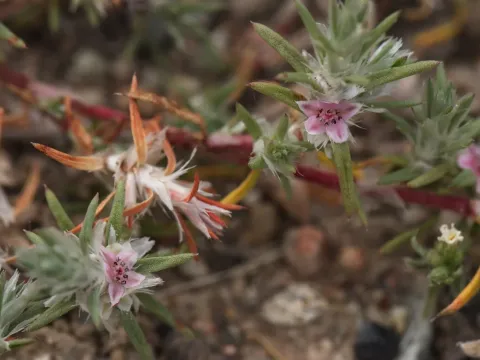
Polygonum paronychioides
Polygonum paronychioides
Polygonum paronychioides is a member of the Polygonaceae family, naturally occurring in mountainous and arid regions across the Middle East and Caucasus. This plant is recognized for its significant resilience to environmental stressors, including drought and extreme solar radiation.
What the section contains
Polygonum paronychioides
The plant thrives in well-drained, sandy, or rocky soils. It requires minimal nutritional inputs and performs well in impoverished soils where other crops might fail. Adequate aeration of the substrate is critical, as stagnant water can lead to the rapid development of fungal pathogens.
Climate requirements involve high sunlight exposure and a semi-arid environment. The plant shows a remarkable ability to manage metabolic processes under low water availability, which is facilitated by its deeply penetrating taproot system that reaches deeper soil strata.
Agricultural management for this species is relatively simple compared to high-input crops. It does not require frequent irrigation once established, making it a sustainable choice for cultivation in arid climates or semi-desert environments where water conservation is a priority.
Botanically, it presents as a prostrate or semi-erect herb with slender stems and small leaves. This morphology reduces the surface area for transpiration, helping the plant maintain turgor pressure even during prolonged dry spells common in its natural habitat.
The primary economic use involves harvesting the aerial parts of the plant for medicinal extracts. Collection should ideally occur during the peak flowering stage to ensure the highest yield of phytochemicals, which are then processed through traditional drying methods for commercial storage.