
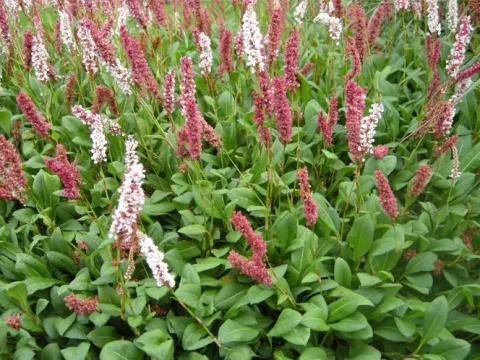
Polygonum cognatum
Polygonum cognatum
Sowing of Polygonum cognatum seeds is typically performed in late autumn or early spring immediately after the soil thaws. The seeds require a period of stratification for 1–2 months at low temperatures to ensure optimal germination rates.
What the section contains
Polygonum cognatum
For industrial-scale cultivation, the transplanting method is preferred to maintain a uniform stand density across the field. Seedlings are typically transplanted to their permanent locations in late May once the danger of late frost has passed.
When sowing directly into the field, seeds should be planted at a depth of 1–2 cm. The soil must be lightly compacted after sowing to ensure proper contact between the seeds and the soil, facilitating moisture absorption.
The recommended planting pattern usually maintains a spacing of 30–40 cm between plants. This distance provides adequate nutrition and space for development, which is critical for the plant's long-term health and biomass production.
Initial growth requires consistent moisture in the topsoil layer. Weeding in the early stages is essential as the young plants are sensitive to competition from aggressive weeds, which can stifle their development during the first weeks.
Polygonum cognatum belongs to the Polygonaceae family and is known for its hardy perennial nature. Originally adapted to rocky mountain slopes, it possesses high adaptability to various soil types, provided the drainage is excellent.
The plant thrives in sunny, open locations with well-drained soil. Excessive moisture in the root zone is the most common cause of failure; therefore, choosing sites with low groundwater levels or using raised beds is recommended.
It prefers neutral to slightly acidic soil conditions. Before establishing a new plantation, it is advisable to incorporate organic matter and sand into the soil to improve its physical structure and nutrient content.
The species exhibits high cold hardiness, allowing it to survive harsh winter conditions. While it is naturally resilient, mulching the root zone in regions with extreme temperature fluctuations can help stabilize growth conditions.
During the growing season, the plant responds well to phosphorus and potassium-based fertilization, which helps in root development and increases overall plant robustness against environmental stressors.
The yield of Polygonum cognatum is measured by the biomass of its aerial parts, which are utilized for various industrial and pharmaceutical applications. With proper management, the crop can provide consistent harvests for several years.
The highest concentration of bioactive compounds occurs during the budding and early flowering phases. Planning the harvest during this specific period is essential to ensure that the raw material meets quality standards.
A well-maintained plantation can remain productive for 5–7 years before needing renewal or rhizome division. Yearly maintenance, including weed control and strategic fertilization, significantly impacts the final output.
Moisture availability during the peak growing phase is a key factor influencing yield. While the plant shows some drought tolerance, consistent irrigation during extended dry spells ensures maximum biomass accumulation.
Effective weed management in the alleys can improve yield by up to 20%. Reducing inter-plant competition ensures that nutrients and sunlight are utilized efficiently by the crop rather than by weeds.
Polygonum cognatum is generally resistant to many pests, but it remains susceptible to root rot if grown in waterlogged soil. Proper soil drainage and avoiding over-irrigation are the primary methods for preventing fungal infections.
Powdery mildew can appear in dense plantings with poor air circulation. Thinning out the plants and ensuring adequate spacing are effective preventive measures against fungal outbreaks.
Pests such as aphids and leaf-eating insects may occasionally attack the tender shoots. Early detection and the use of targeted biological control agents or soft insecticides can help keep populations under control.
Nematodes may become an issue on older plots; therefore, strict crop rotation is recommended. Avoid planting Polygonum in the same location for at least 4–5 years to prevent the buildup of soil-borne pathogens.
Overall, maintaining plantation hygiene, such as removing old plant debris at the end of the season, reduces the overwintering sites for potential pathogens and ensures the long-term viability of the crop.
Harvesting is best conducted on dry, sunny days to ensure the harvested biomass is not prone to molding. Aerial parts are cut approximately 5–10 cm above the ground, taking care to protect the crown of the plant.
The collected biomass should be processed immediately by transporting it to a drying facility. Drying temperatures should be kept below 45 degrees Celsius to preserve the chemical integrity of the plant extracts.
If seeds are required, harvesting should take place in late autumn when the seed heads turn brown. It is crucial to perform this before the seeds start to shatter and disperse naturally, leading to significant yield loss.
Rhizomes intended for use are harvested in the autumn. They should be thoroughly washed to remove all soil particles and dried in a shaded, well-ventilated area to maintain their medicinal quality.
Properly dried and processed raw material should be stored in a cool, dry, and dark environment within moisture-proof packaging to ensure a shelf life of up to 2–3 years.