
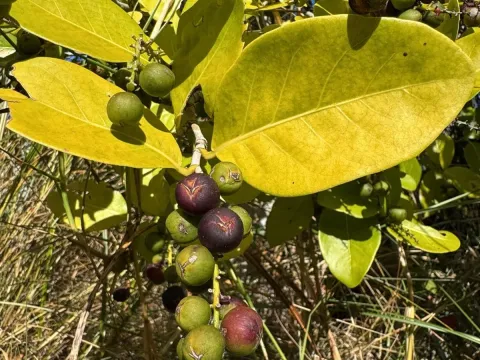
Pigeon plum
Coccoloba diversifolia
Pigeon plum (Coccoloba diversifolia) is a prominent member of the Polygonaceae family, native to tropical regions including Florida, the Bahamas, and the Caribbean islands, often found in limestone and sandy soils.
What the section contains
Pigeon plum
This evergreen tree is highly valued for its agricultural resilience, specifically its ability to withstand salt spray and drought, making it an excellent candidate for coastal tropical agriculture.
It thrives in full sun exposure and requires well-drained substrate to prevent root rot. Proper soil aeration is crucial for the successful establishment of young plants in new orchard areas.
In terms of climate, the species is adapted to warm environments where frost is absent. It shows remarkable growth flexibility, forming either a small shrub or a substantial tree depending on site conditions.
The botanical structure of the plant features dense, leathery foliage that provides significant biological protection, with young leaves often displaying distinct bronze or reddish hues before maturing.
The fruit of the Pigeon plum is a small, dark-colored drupe that turns deep purple or black when ripe, serving as the primary economic output of the species for local harvesting efforts.
Harvesting is typically done by hand due to the delicate nature of the clusters. The fruits are consumed raw or processed into jams, jellies, and refreshing beverages favored in local markets.
Beyond fruit production, the wood of this species is recognized for its hardness and durability, historically used for small-scale woodworking and crafting items that require dense, stable timber.
The tree provides ecological services by attracting pollinators, which is beneficial for integrated farming systems where diversity improves the overall productivity of the land.
Sustainable management practices, including selective pruning, help maintain tree vigor and improve fruit size, ensuring a consistent yield throughout the peak ripening seasons.
Common pests affecting Pigeon plum include scale insects and mealybugs, which are known to colonize the stems and foliage, potentially hindering plant growth if left uncontrolled.
Fungal diseases related to excessive moisture represent a significant threat to the root system and foliage health, often exacerbated by poor ventilation in dense plantations.
Integrated pest management strategies focusing on natural predators and horticultural oils are recommended to maintain plant health while minimizing reliance on harsh synthetic chemicals.
Regular monitoring of canopy density is vital, as thinning the branches helps manage humidity levels, effectively reducing the risk of fungal outbreaks within the grove.
Proactive care involves inspecting leaves for signs of discoloration or honeydew excretion, which are early indicators of pest infestation requiring immediate agricultural intervention.