
Persicaria viscofera
Persicaria viscofera
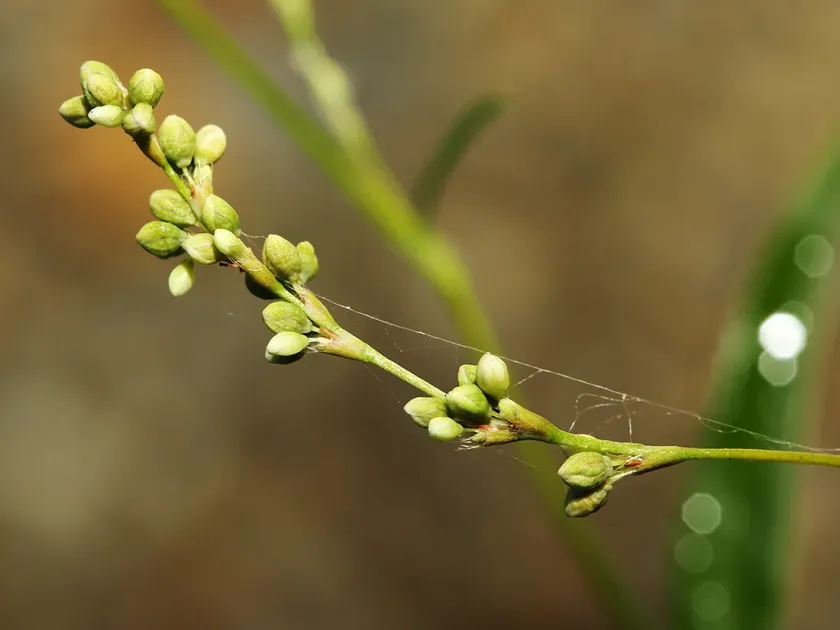
Description
Sowing dates
Persicaria viscofera is an annual herbaceous plant, typically propagated through direct seeding in prepared soil during the spring season.
The optimal sowing time begins when soil temperatures consistently reach 10–12°C, ensuring a rapid and uniform germination process for the seedlings.
Rows should be spaced sufficiently to allow for adequate ventilation and easy access during maintenance activities such as weeding and plant inspection.
Seeds are placed at a depth of 2–3 cm, which provides sufficient soil contact and protection against drying, facilitating the emergence of healthy young plants.
Pre-sowing treatment of seeds, such as stratification or soaking, can significantly enhance germination vigor, leading to better establishment of the crop stand.
Growing requirements
This species belongs to the Polygonaceae family and thrives in conditions with high moisture availability, naturally occurring in damp habitats.
Ideally, it requires nutrient-rich loam soils that have been improved with organic matter to support the rapid growth of its biomass during the vegetative stage.
While the plant prefers sunny locations, it demonstrates a degree of adaptability to partial shade, which is often found in riverbank environments.
Temperature management is crucial; the plant requires a steady, warm climate without severe thermal fluctuations to ensure successful flower and seed development.
Routine cultivation tasks include keeping the area free of weeds and ensuring that the soil structure remains loose and aerated for optimal root health.
Yield
The agricultural value of Persicaria viscofera lies in its vegetative biomass, which is utilized for various pharmacological and industrial applications.
Crop yields are heavily dependent on consistent water management and timely application of micronutrients during the active stem elongation period.
Harvesting efficiency is maximized when the crop is managed to minimize weed competition, as unwanted plants can significantly decrease the harvestable biomass.
By optimizing planting density and fertilization levels, growers can achieve higher yields, making the cultivation of this species economically viable.
Yield monitoring throughout the season allows for adjustments in care practices, ensuring that the crop achieves its maximum potential by the time of harvest.
Main diseases and pests
The primary threats to Persicaria viscofera are fungal infections like powdery mildew, which are especially prevalent in high-humidity and low-airflow conditions.
Insect pests, such as aphids and leaf-eating beetles, may cause significant damage to the plant, potentially impacting the chemical profile of the harvest.
Integrated pest management strategies, focusing on biological controls and crop rotation, are essential to maintain the health of the planting area over time.
Fields should be kept clean from wild host plants, as these often serve as reservoirs for diseases and insects that could jump to the commercial crop.
Regular monitoring of the foliage is necessary to detect signs of stress or pest infestation early, allowing for targeted intervention before damage spreads.
Harvesting
The harvest involves cutting the aerial parts of the plant at the onset of flowering, which is the stage of maximum concentration of phytochemicals.
Post-harvest processing requires immediate transportation to drying facilities to prevent heat buildup and the loss of sensitive volatile compounds.
Drying should take place in shaded, well-ventilated areas or controlled-temperature kilns, ensuring the product reaches the target moisture content safely.
Once dried, the plant material is sorted, milled, or processed according to industry requirements for subsequent use in medicine or manufacturing.
Storage must be maintained in a dry, cool, and dark environment to preserve the shelf life and quality of the processed botanical raw material.