
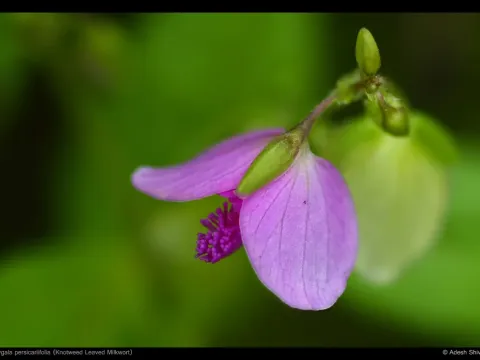
Polygala persicariifolia
Polygala persicariifolia
The cultivation of Polygala persicariifolia begins with the careful preparation of the soil and selecting the appropriate sowing window. The seeds should be sown in early spring, once the soil has warmed up to at least 10°C, to ensure a steady germination rate for the young plants.
What the section contains
Polygala persicariifolia
Stratification of seeds is a critical pre-sowing step that simulates winter conditions and triggers the germination process. Sowing seeds in late autumn is often preferred by professional growers as it allows for natural stratification during the winter, resulting in more robust seedlings.
Depth of sowing should be shallow, generally not exceeding 1 to 2 centimeters. Because the seeds are quite small, deep planting can prevent the emerging shoots from breaking through the soil surface, leading to poor establishment of the crop field.
Row spacing is typically set between 30 and 45 centimeters. This distance provides adequate space for the plants to spread and allows for mechanical weeding, which is essential to keep the crop free from competitors during its early developmental stages.
Using fresh, high-viability seeds is essential for consistent yields. Before sowing a large area, it is advisable to test the germination rate of the seed batch to ensure that the density of the plants will be sufficient for the intended harvest volume.
Polygala persicariifolia belongs to the Polygalaceae family and thrives in well-drained, sandy loam soils. It is vital to avoid heavy or waterlogged soils, as the root system of this species is highly susceptible to rot under conditions of poor soil aeration.
The climate requirements for this crop include a temperate environment with moderate rainfall. While it can handle some fluctuations, extreme heat or prolonged cold spells can stress the plants and significantly affect their growth trajectory and biomass accumulation.
Sunlight exposure is a major factor in the successful cultivation of Polygala. Full sun or light partial shade is optimal, as these conditions help the plant produce the maximum concentration of its specialized secondary metabolites, which are highly valued in herbal medicine.
Soil pH should be kept within a neutral range, typically 6.0 to 7.0. If the soil is too acidic, liming may be necessary to adjust the chemical balance, as extreme pH levels can restrict the availability of essential micronutrients needed for the plant’s health.
Water management is crucial during the active growing phase. While the crop does not need constant saturation, consistent soil moisture is required. Drip irrigation systems are highly recommended to deliver water directly to the root zone without wetting the foliage.
The yield potential of Polygala persicariifolia is typically observed starting from the second year of cultivation. In the first year, the focus is on establishing a deep and sturdy root system, meaning that leaf harvesting should be minimized to avoid stunting the plant.
Biomass production reaches its peak in the second and third seasons. During this time, growers can expect a significant harvest of aerial parts, which are the main focus of pharmacological extraction and traditional medicine production processes.
Timing the harvest is crucial to ensure high concentrations of active ingredients like saponins. The ideal harvest time is during the period of mass flowering, as this is when the secondary metabolites are most concentrated throughout the plant's aerial tissues.
Proper harvest practices, such as clean cutting of the stalks, help preserve the health of the perennial roots, allowing the plant to regenerate effectively for subsequent seasons. Over-harvesting can weaken the plant and reduce the long-term productivity of the plantation.
Secondary yields, such as seed production, can be managed by leaving a portion of the field to mature fully. This ensures a supply of high-quality seeds for the next cycle, reducing costs and providing a buffer against future crop failure.
Root rot, often caused by over-irrigation and poor drainage, remains the most significant threat to the crop. Once a fungal infection takes hold in the root system, it spreads rapidly, and plants may become unsalvageable within a very short period of time.
Pests such as aphids and spider mites can infest the foliage, particularly in dry and hot conditions. These insects drain sap from the plants and can stunt their growth, necessitating early detection and natural control methods to prevent a major outbreak.
Weed competition is a constant challenge for this crop. Young Polygala plants are not aggressive competitors and can easily be overrun by invasive grasses and broadleaf weeds, leading to a significant loss in total plant biomass if not kept in check through regular cultivation.
Powdery mildew may occur if air circulation within the field is poor. Maintaining adequate spacing and ensuring the leaves dry off quickly after rain or irrigation are effective ways to prevent the onset of this fungal disease without using harsh chemical fungicides.
Integrated Pest Management (IPM) is the best approach for Polygala persicariifolia, especially for crops destined for medicinal use. By prioritizing mechanical weed control and biological pest inhibitors, growers can ensure a clean and safe end-product for the market.
Harvesting should be conducted on dry, sunny days to ensure the harvested material contains minimal surface moisture, which helps prevent fermentation and degradation of the plant material during the immediate post-harvest phase.
After collection, the plant material must be dried as quickly as possible. Industrial drying at controlled temperatures, typically kept below 45°C, is recommended to preserve the chemical integrity and color of the leaves and stems during the moisture reduction process.
Once dried, the crop is typically sorted to remove woody stems or any contaminants. Consistent processing methods are vital for maintaining the quality standards required by pharmaceutical laboratories that purchase the dried biomass for further extraction.
Seed harvest is performed by collecting the capsules when they turn brown but before they shatter. This requires careful timing to ensure the maximum quantity of viable seeds is collected without significant loss, often requiring several passes over the plantation.
Storage is the final stage, where the finished product should be kept in cool, dark, and dry conditions. Proper ventilation is essential to keep humidity low, thereby ensuring that the plant’s active components remain stable for at least one to two years.