
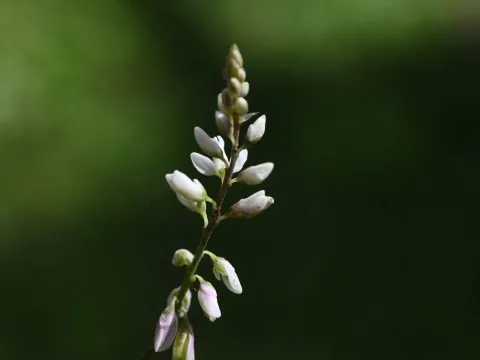
Polygala paniculata
Polygala paniculata
Polygala paniculata belongs to the Polygalaceae family and is recognized for its unique adaptation to tropical and subtropical climates globally.
What the section contains
Polygala paniculata
The sowing process typically occurs in spring once soil temperatures remain consistently above 15 degrees Celsius to encourage rapid germination.
Seeds of this species exhibit a period of dormancy, necessitating stratification or cold treatment to ensure a uniform emergence of seedlings.
Given the minute size of the seeds, they should be sown on the surface of the growing medium and lightly pressed to maintain contact without burying them.
Greenhouse propagation is often favored by commercial growers to provide the precise climate control required for establishing healthy young plants.
This species thrives in well-lit environments, requiring significant exposure to sunlight to foster robust branching and prolific flowering cycles.
Well-drained, sandy loam soils are ideal, as they prevent the waterlogging that is detrimental to the plant’s sensitive fibrous root system.
Soil pH should ideally be kept in a neutral to slightly acidic range to facilitate the efficient uptake of essential micro and macronutrients.
Consistent moisture levels must be maintained, but watering should be careful to avoid wetting the foliage, which can encourage fungal diseases.
Adequate air circulation is a mandatory requirement for cultivation, whether in open fields or protected tunnel structures, to manage humidity levels.
The yield potential of Polygala paniculata is strongly linked to soil fertility and the frequency of cultural operations such as weeding and irrigation.
Biomass production peaks during the second year of cultivation, provided the plants are established in a favorable climate with sufficient space.
The plant is highly valued for its secondary metabolites, including specific saponins found throughout its vegetative parts and root architecture.
Economic success in farming this plant depends on achieving high-quality dried material that meets specific pharmaceutical or herbal standards.
Harvesting efficiency is maximized by optimizing plant density per hectare and implementing mechanized harvesting for the aerial parts where appropriate.
Common agricultural pests for this crop include aphids and various spider mites, which can sap the vitality of the plant during the vegetative phase.
Fungal pathogens such as root rot and powdery mildew are prevalent if drainage is poor or if plant density inhibits necessary airflow between rows.
Integrated pest management, including the use of beneficial insects and resistant cultivars, is recommended to protect the crop without chemical residues.
Competition from aggressive weed species can severely stunt the development of Polygala, requiring diligent manual or mechanical weed control.
Field scouting should be a routine activity to identify early signs of nutrient deficiencies or pest outbreaks before they impact overall yields.
Harvesting for medicinal purposes is best conducted when the plant is in full bloom, ensuring the highest concentration of active therapeutic compounds.
After cutting, the plant material must be dried quickly in a cool, shaded environment to preserve the chemical integrity of the harvested tissues.
Roots should be carefully harvested when the plant is dormant to avoid damaging the crown and to maximize the concentration of saponins in the root tissue.
Post-harvest processing involves cleaning, washing, and controlled dehydration to stabilize the product for long-term storage and market distribution.
Quality control during drying is essential to prevent discoloration and the degradation of active ingredients due to high temperature or moisture exposure.