
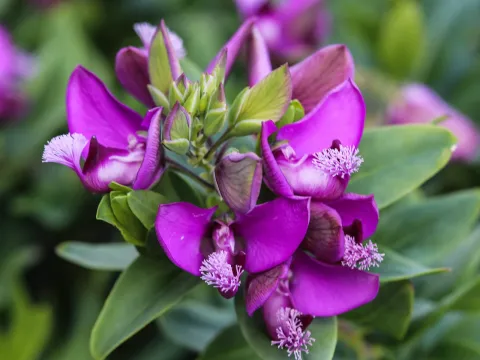
Polygala martiana
Polygala martiana
Polygala martiana belongs to the Polygalaceae family. It is a perennial herbaceous plant that naturally occupies specific ecological niches requiring moderate humidity and distinct soil conditions.
What the section contains
Polygala martiana
The culture originates from South American regions, thriving in well-drained, slightly acidic or neutral soils. For optimal development, the plant requires diffused light, as intense direct sunlight can stress younger plants in warmer environments.
Botanically, the plant is characterized by a compact root system and erect stems covered with alternate leaves. Its flowers are arranged in typical racemes, which facilitate cross-pollination by insects in its native habitat.
Agricultural management requires maintaining consistent moisture levels without allowing waterlogging in the root zone. The plant is sensitive to significant fluctuations in day and night temperatures, necessitating controlled climate conditions in greenhouses.
The economic value of Polygala martiana is primarily linked to its pharmacological potential. It is studied for its content of bioactive compounds, such as saponins, which are utilized in traditional medicine for their expectorant and anti-inflammatory properties.
The primary threat to the crop includes root rot, which typically occurs due to poor soil aeration and excessive irrigation. Using lightweight substrates amended with sand or perlite is recommended for effective disease prevention.
Pests, such as spider mites and aphids, may infest the aerial parts of the plant during periods of low air humidity. Regular monitoring of the foliage and the application of biological insecticides are essential to manage early pest outbreaks.