
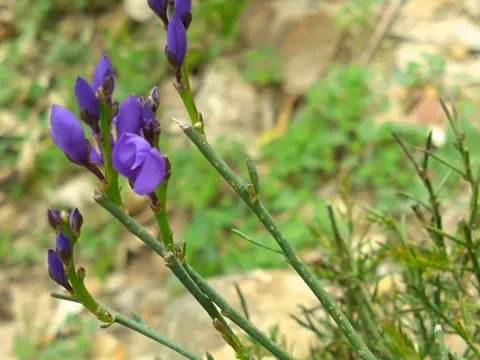
Polygala microphylla
Polygala microphylla
Polygala microphylla is a perennial herbaceous plant belonging to the Polygalaceae family. In agricultural practice, sowing is typically performed in early spring once the soil temperature consistently reaches 12–15 degrees Celsius, providing the necessary heat for seed germination.
What the section contains
Polygala microphylla
For improved germination rates, seeds often require a period of stratification. Storing seeds in a cool, moist environment for several weeks helps overcome dormancy, ensuring that the crop emerges uniformly across the entire planting area.
The seeds are relatively small and should be planted at a shallow depth of 1–2 centimeters. Proper soil contact is essential; therefore, the seedbed should be firmed lightly after sowing to facilitate capillary water movement toward the developing seeds.
In regions with unpredictable spring weather, greenhouse starting is recommended to produce healthy seedlings. These are then transplanted to the field after the threat of frost has passed, significantly reducing the duration of early-stage vulnerability.
Optimal planting spacing involves maintaining rows 40–50 centimeters apart. This configuration provides sufficient space for root development and allows for efficient mechanized cultivation and weeding operations throughout the growing season.
This crop thrives in light, well-drained soil, specifically preferring sandy or loamy compositions. Excellent drainage is critical, as stagnant water in the root zone can lead to rapid decay and poor yield outcomes for the medicinal plant.
Polygala microphylla requires high light intensity to optimize its phytochemical development. Selecting sunny, open field locations is necessary; shade-grown plants often exhibit weaker stems and lower concentrations of essential secondary metabolites.
Water requirements are moderate, with the plant displaying decent drought tolerance once established. However, during the primary vegetative growth phase, regular irrigation is advised to ensure consistent biomass accumulation and plant vigor.
Effective weed management is vital during the early establishment phase. As the plant is sensitive to competition, keeping the inter-row areas clear of weeds ensures that the crop receives sufficient nutrients and light without being outcompeted.
Mineral nutrition should be managed through balanced application of phosphorus and potassium-rich fertilizers. These elements are essential for building strong cell walls and preparing the plant for survival during the dormant winter period.
Fungal diseases, particularly root rots, represent the most significant threat to this crop. These issues typically emerge under conditions of high humidity and poor soil aeration, necessitating strict adherence to drainage and spacing guidelines.
Leaf-chewing insects and aphids can cause substantial damage to young foliage, potentially reducing the total harvestable biomass. A consistent monitoring program is required to identify pest outbreaks early and implement precise control measures.
Powdery mildew may occur if planting density is too high or air circulation is insufficient. Ensuring proper plant spacing and managing soil moisture levels are effective preventative strategies to keep the canopy healthy and free of disease.
Soil-borne nematodes can also jeopardize the long-term productivity of perennial stands. Utilizing certified disease-free seeds and practicing a rigorous crop rotation schedule are the standard procedures for mitigating nematode-related losses.
An integrated pest management (IPM) approach is recommended, favoring biological controls and targeted applications over broad-spectrum pesticides. This ensures the harvested herbal material maintains its purity and pharmaceutical safety.
Harvesting should coincide with the peak flowering phase, which is when the concentration of beneficial bioactive compounds is highest within the aerial parts of the plant. Timing the harvest accurately is critical to maximizing the economic value of the crop.
The harvest is conducted by cutting the foliage at a height of 5–10 centimeters above the soil surface. Care must be taken to protect the root system to allow for perennial re-growth, ensuring the plant remains productive for future seasons.
Post-harvest handling requires immediate transfer of the raw material to a drying facility. The crop should never be piled in thick layers while fresh to avoid self-heating, which causes discoloration and degradation of the plant’s volatile oils.
Drying is performed in shaded, well-ventilated areas or controlled-temperature chambers. Keeping the temperature at or below 40 degrees Celsius prevents the heat-induced destruction of fragile organic compounds responsible for the plant's medicinal efficacy.
Once dried to the correct moisture content, the material must be cleaned of debris and sorted for quality. The final product should be stored in airtight containers within a dark, climate-controlled environment to prevent moisture absorption and pest infestation.