
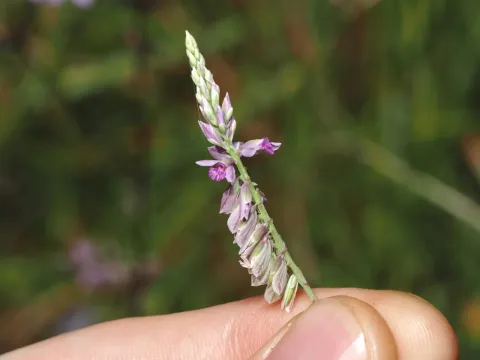
Polygala longifolia
Polygala longifolia
Polygala longifolia, belonging to the Polygalaceae family, is a herbaceous plant that requires specific agricultural conditions for optimal growth. The sowing process typically begins in early spring, once the soil has warmed to a consistent temperature.
What the section contains
Polygala longifolia
The seeds are small and should be sown at a shallow depth to ensure sufficient light exposure for germination. It is advisable to use row planting methods, maintaining a distance of 30-40 cm between rows for optimal development.
Seedbed preparation is crucial; the soil must be fine-textured and free of debris to allow for uniform seedling emergence. Proper soil compaction after sowing is often recommended to ensure good contact between seeds and the soil moisture.
In regions with mild winters, sowing can be staggered to extend the growing season, though spring remains the primary window for commercial planting. Monitoring germination rates is essential for maintaining target plant density.
Early-stage management involves careful weeding, as young Polygala longifolia plants are sensitive to competition from aggressive weeds that can quickly overwhelm them.
This crop thrives in fertile, well-drained loamy or sandy soils with a neutral pH level. Waterlogged conditions must be avoided as they significantly increase the risk of root rot and overall plant failure.
Exposure to full sunlight is essential for the healthy development of Polygala longifolia. Shaded environments tend to result in elongated, weak stems and significantly reduced biomass production.
Climate-wise, a moderate, temperate environment with consistent but not excessive rainfall is ideal. Irrigation systems may be necessary during dry spells, but water should be applied conservatively to avoid saturation.
Balanced fertilizer application based on soil nutrient testing is key to maximizing yields. Nitrogen levels should be controlled to prevent excessive vegetative growth that may dilute the concentration of desired plant compounds.
Temperatures should generally stay within the 18–25°C range for optimal metabolism. Frost protection may be necessary if early spring cold snaps threaten the newly established planting.
The yield of Polygala longifolia depends heavily on the maintenance of soil fertility and proper water management throughout the growing cycle. Average dry mass yields typically range from 1 to 2 tons per hectare under favorable conditions.
Productivity peaks in the second year, assuming the root system has established itself properly. Continuous monitoring of crop vigor helps in making decisions regarding harvest timing and potential second cuts.
Modern mechanization of the harvest process is highly recommended to reduce operational costs and labor requirements. Efficiency in harvesting is directly linked to the overall economic viability of the enterprise.
Quality parameters, often tied to the specific concentration of active plant compounds, determine the final market value of the harvest. Consistent quality control ensures high-grade output for industrial use.
Implementing a strict crop rotation schedule helps maintain high yield levels by preventing soil exhaustion and reducing the incidence of soil-borne pathogens.
Fungal root diseases represent the most significant threat to this crop, particularly when moisture levels in the soil become unmanageable. Poor drainage is the primary contributor to these issues.
Aphids and spider mites are common pests that may infest the canopy, especially during periods of drought. Integrated pest management strategies, including the use of biological controls, are preferred for sustainable production.
Effective weed management is essential throughout the entire season. Utilizing mulching techniques can help reduce weed pressure while simultaneously improving soil moisture retention and temperature stability.
Powdery mildew can appear if canopy aeration is poor. Maintaining adequate spacing between plants is an effective preventative measure to ensure good airflow and reduce pathogen spread.
Regular field scouting is essential to identify early signs of stress or infestation, allowing for localized and timely intervention, which saves resources and protects the total crop.
Harvesting should ideally take place during the peak flowering stage, as this is when the concentration of secondary metabolites in the aerial parts is at its maximum.
Mechanical harvesters should be adjusted to a specific cutting height to avoid damaging the root system, which allows for sustained growth and potential future harvests from the same plants.
Post-harvest processing involves rapid drying in well-ventilated areas. Maintaining a drying temperature below 45°C is crucial for preserving the chemical properties and vibrant color of the harvested material.
Once dried to the appropriate moisture content, the product should be packed into moisture-resistant containers to prevent spoilage or pest infestation during storage.
Final quality inspection is performed before shipment to ensure that the batch meets industry specifications for purity and concentration, guaranteeing consumer satisfaction.