
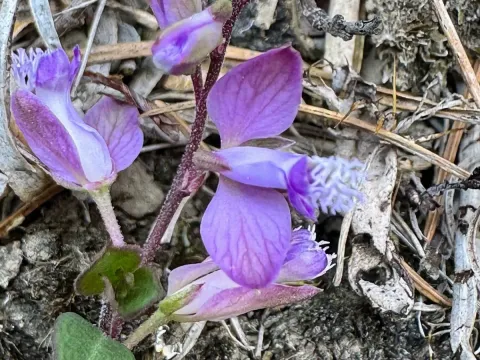
Polygala japonica
Polygala japonica
Polygala japonica is a perennial herb that is primarily propagated via seeds, typically sown in early spring when temperatures become stable.
What the section contains
Polygala japonica
Before sowing, it is crucial to perform seed stratification to break dormancy and ensure a uniform germination rate across the planting field.
Seeds should be planted at a shallow depth of 1–2 centimeters, as they require specific light conditions to trigger the germination process effectively.
The spacing between rows should be maintained at 30–40 centimeters to facilitate mechanical weed control and promote optimal airflow between individual plants.
Greenhouse pre-cultivation can be utilized to produce vigorous seedlings, which increases survival rates once transplanted to the final outdoor location.
The species thrives in well-drained, fertile loamy soils with a pH level ranging from neutral to slightly acidic, avoiding heavy or waterlogged conditions.
Exposure to full sunlight is essential for the healthy development of Polygala japonica, as it is a light-demanding crop that requires high insolation.
Consistent moisture management is necessary; while the plant requires adequate water during growth, excessive irrigation leads to root rot diseases.
Providing a well-aerated soil structure is vital, which is achieved through regular inter-row cultivation to prevent surface crust formation.
Temperature fluctuations are usually handled well, but young plantings benefit from mulching to preserve soil moisture and protect roots during unexpected cold snaps.
The economic value of Polygala japonica is centered on its root system, which is harvested for its high content of pharmacologically active saponins.
Commercial yields typically range from 1.5 to 3 metric tons of dried root material per hectare, depending on soil quality and agricultural input.
The root biomass reaches its peak quality and medicinal potency during the third year of cultivation, marking it as the ideal time for harvesting.
Balanced fertilization, specifically incorporating potassium and phosphorus, significantly enhances the root development and overall biomass yield.
Monitoring root expansion through periodic sampling allows growers to determine the exact maturity point for the most efficient and profitable harvest.
Root rot caused by stagnant water and poor soil drainage is the most significant threat to the health and survival of Polygala japonica plantings.
Foliar pests, such as aphids and spider mites, can reduce photosynthesis efficiency by damaging leaves, ultimately stunting root growth throughout the season.
Weed competition poses a severe challenge, especially in the first months of growth, necessitating manual or light mechanical weeding to prevent nutrient theft.
Preventative strategies include strictly controlling field moisture levels and ensuring proper plant spacing to decrease humidity around the base of the plant.
In cases of infestation, the use of biological control agents is recommended to maintain the organic integrity of the medicinal root crop.
Harvesting is typically scheduled for late autumn, once the aerial parts of the plant have yellowed, signaling the movement of nutrients to the roots.
The roots are excavated, thoroughly washed to remove all debris, and trimmed of any remaining vegetative parts before undergoing initial processing.
Drying must be conducted in temperature-controlled environments, ideally below 60 degrees Celsius, to preserve the stability of active medicinal compounds.
Properly dried material should be stored in ventilated containers within dark, low-humidity storage facilities to prevent degradation or mold growth.
Quality control standards involve assessing the root texture and testing for the concentration of key saponins before the final distribution of the product.