
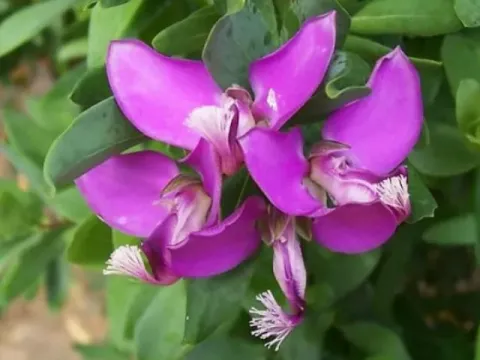
Polygala hybrid
Polygala hybrids
Polygala hybrid is a perennial plant belonging to the Polygalaceae family, often cultivated for its ornamental value and potential medicinal applications. The propagation is commonly achieved through seeds or vegetative division of mature root systems.
What the section contains
Polygala hybrid
Sowing in open ground should be performed during spring once the soil temperature consistently reaches 10–12 degrees Celsius. For greenhouse cultivation, seeds are sown in trays in late March to ensure a strong start.
Seeds should be covered with a light layer of soil, no more than 0.5–1 cm deep, to maintain proper moisture levels without burying them too deep. A light misting system is recommended to keep the substrate consistently damp during the germination phase.
Germination typically occurs 3 to 4 weeks after sowing, depending on environmental stability. Once seedlings reach a height of 5 cm, they can be hardened off for transplanting into the field.
Transplanting should be done at a spacing of 25–30 cm apart to ensure adequate air circulation. This spacing is critical for preventing fungal outbreaks in the dense canopy of the growing plants.
The culture thrives in well-drained, fertile soil with a neutral to slightly acidic pH. Avoiding compacted soil is essential, as the root system requires significant oxygen for optimal development.
Polygala hybrid prefers locations with full sun to partial shade. In regions with extremely hot summers, partial shade during the afternoon helps prevent leaf scorching and dehydration.
Regular but moderate irrigation is required throughout the growing season. While the plant is somewhat drought-tolerant once established, supplemental watering during prolonged dry spells is recommended.
Temperature management is key; the plant prefers a temperate climate (18–22 degrees Celsius). Excessive heat stress may lead to a decrease in blooming intensity or plant dormancy.
Soil maintenance involves light hoeing and the occasional application of organic mulches. This practice helps preserve soil moisture while suppressing weeds that compete for essential nutrients.
The main threats to Polygala hybrid include fungal infections such as leaf spot and root rot, often caused by waterlogging. Improving soil drainage is the most effective preventative measure.
Pests like aphids and spider mites can attack the succulent leaves, especially in protected environments like greenhouses. Regular scouting is necessary to catch infestations early.
Slugs and snails may present a risk to younger, more tender plants in moist conditions. Using physical barriers or bait traps is a common control method for organic growers.
Systemic insecticides or neem oil-based sprays can be used when pest populations exceed economic thresholds. Always follow label instructions to protect beneficial insects in the garden.
Effective sanitation, including the prompt removal of decaying plant parts, is crucial to prevent the spread of soil-borne pathogens. Maintaining a clean growing area significantly improves overall crop health.