
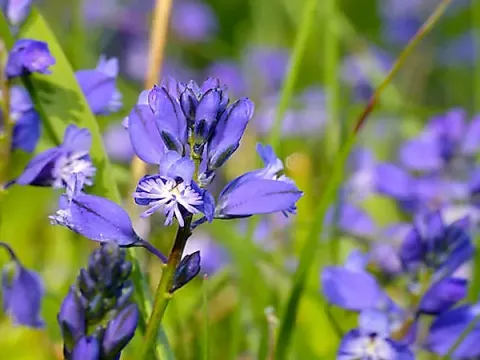
Polygala irregularis
Polygala irregularis
Polygala irregularis is a perennial herb belonging to the Polygalaceae family. Agricultural cultivation typically involves spring sowing once the soil temperature consistently reaches 10-12 degrees Celsius to ensure steady germination.
What the section contains
Polygala irregularis
The seeds possess a hard seed coat, necessitating stratification prior to sowing to break dormancy and increase germination rates. Seeds are planted at a shallow depth of 1-2 centimeters, as they require sufficient light to trigger the sprouting process.
Commercial cultivation usually employs row seeding with row spacing between 30 and 45 centimeters. This configuration facilitates mechanized inter-row cultivation and efficient weed control, which is vital during the early growth stages.
As a slow-growing crop in its initial phase, Polygala irregularis requires a weed-free environment to thrive. Careful site preparation, including the removal of perennial weeds, is a critical step in the successful establishment of the plantation.
Post-emergence thinning is recommended once seedlings have established their first sets of true leaves, allowing for a density that maximizes individual plant vigor and biomass production.
This crop prefers well-drained, loose, and aerated soil with a neutral to slightly acidic pH. It is highly sensitive to waterlogging, meaning that heavy, clay-rich soils that retain excessive moisture should be avoided at all costs.
Polygala irregularis is a heliophilic plant, requiring full sun exposure for optimal development. Reduced sunlight significantly impacts the biosynthesis of active medicinal compounds, leading to lower crop quality.
An optimal temperature range for active growth is between 18 and 25 degrees Celsius. While exhibiting moderate drought tolerance, the crop requires consistent soil moisture during the active vegetative growth phase to maximize yield.
Regular inter-row cultivation is necessary to maintain soil aeration and prevent compaction. Supplementing with balanced mineral fertilizers at the start of the season promotes robust root development and leaf area expansion.
Strategic crop rotation is essential, ensuring that Polygala is not planted in succession with other members of the Polygalaceae family to prevent the build-up of specific soil-borne pathogens.
Yield is measured by the total weight of dried aerial parts and root mass, both of which serve as raw materials for the pharmaceutical industry. Under intensive management, yields can range from 1.5 to 3 metric tons of dried material per hectare.
The concentration of beneficial bioactive compounds, such as saponins, peaks during the mass flowering period. Consequently, harvesting of the foliage is best timed to coincide with this biological peak for maximum potency.
Roots are generally harvested in the second or third year of cultivation when they reach sufficient biomass and concentration of active constituents. Delayed harvest typically results in better root quality.
Continuous monitoring of the crop health allows for the early detection of stress factors, enabling quick corrective actions that protect the total economic return of the cultivation project.
Efficient post-harvest processing, particularly the maintenance of low temperatures during drying, is critical to ensuring that the harvested material meets the necessary quality standards for industrial use.
Root rot represents the primary threat to this crop, particularly in poorly drained soils where excess moisture persists. Maintaining proper soil moisture levels is the most effective preventative measure against these fungal infections.
Pests such as spider mites and aphids frequently target the foliage, especially under warm and dry conditions. Integrated pest management using bio-pesticides is recommended to keep pest populations below the economic injury level.
Leaf spot diseases can also occur, particularly in humid conditions with poor air circulation. Regular thinning and removing infected plant tissue help to mitigate the spread of these pathogens across the field.
Weed competition poses a significant risk to young stands, as the crop lacks the early vigor to suppress invaders. Mechanical hoeing remains a staple practice to keep the field clean during the establishment phase.
Implementing strict sanitation protocols on the farm, including the removal of dead or diseased biomass, is necessary to prevent the accumulation of pests and disease inoculum in the soil over time.
Harvesting of the aerial parts occurs during full bloom, with plants cut at a height of 5-10 centimeters. This practice encourages better regrowth and maintains the overall health of the perennial root system.
Roots are harvested late in the autumn after the growing season has ended, or in early spring before the resumption of vegetative growth. Mechanized harvesting equipment is preferred to minimize damage to the root structure.
After excavation, roots undergo a thorough cleaning process in running water to remove soil particles. Drying should commence immediately to prevent spoilage and the onset of fermentation.
Drying is performed in shaded, well-ventilated structures or industrial driers at temperatures not exceeding 45 degrees Celsius. Direct sunlight exposure must be strictly avoided to prevent the degradation of photosensitive active compounds.
Final product storage requires cool, dry, and dark conditions. Proper packaging, such as breathable fabric or high-quality paper bags, helps to preserve the integrity of the herbal material during transport and long-term storage.