
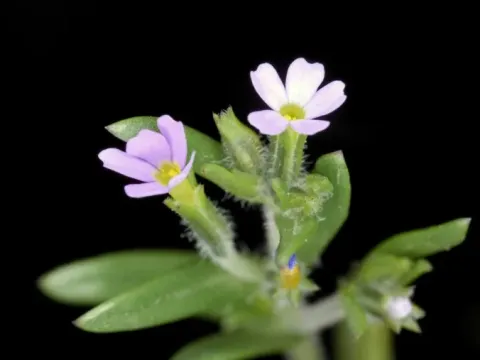
Microsteris
Microsteris
Microsteris is an annual herbaceous plant, meaning its life cycle is completed within one growing season. Seeds should be sown directly into the soil in early spring once the threat of frost has passed and the ground has warmed up sufficiently to trigger germination.
What the section contains

Microsteris
Starting seeds indoors is also a viable strategy for those looking to accelerate the blooming phase. Seeds should be planted in trays about six to eight weeks before the expected last frost, ensuring they are placed in a sunny, well-lit area to prevent weak, etiolated stems.
Because the seeds are quite small, they require only a light covering of soil or sand. Light is often a necessary stimulus for germination, so burying them too deep will significantly decrease the success rate of the sowing process.
Once seedlings emerge, thinning is crucial to ensure proper air circulation and to minimize competition for soil nutrients. Maintaining an appropriate spacing of about 10 to 15 centimeters allows the plant to form its characteristic lush, carpet-like appearance.
Maintaining consistent moisture levels is vital during the initial stages of germination. Using a gentle misting technique or a light covering can prevent the surface from drying out while protecting the delicate sprouts from being washed away.
As a member of the Polemoniaceae family, Microsteris is naturally adapted to the environmental conditions of its native North American habitats. It thrives best in open, sunny locations where it can receive maximum exposure to direct sunlight throughout the day.
The plant is not particularly demanding regarding soil type, provided it is well-drained. Soils prone to waterlogging or compaction are unsuitable, as they lead to root rot and other physiological stressors that hinder the growth of the plant.
Microsteris prefers a temperate climate and is moderately drought-tolerant once established. However, it is sensitive to extreme heat and high humidity, which can lead to a premature decline in health and a cessation of flowering activity.
While the plant is capable of growing in low-fertility soils, a balanced approach to soil health is recommended. Over-fertilization with nitrogenous compounds should be avoided, as it encourages excessive vegetative foliage growth at the expense of blooming.
Effective weed management is essential during the early stages of growth, as young Microsteris plants can be easily outcompeted by invasive weeds. Mulching or careful hand-weeding is recommended until the plants have established a thick, ground-covering canopy.
Root rot is the most significant threat to Microsteris, particularly in poorly drained environments. Ensuring that water can drain freely from the root zone is the most effective preventative measure against the fungal pathogens that cause this condition.
Pests such as aphids and spider mites may target the plant during extended periods of heat and drought. Regular scouting of the foliage is necessary to detect early infestations before they reach a level that threatens the overall plant vigor.
Powdery mildew can become an issue when plant density is too high, leading to stagnant air within the foliage. Proper spacing and ensuring that the area receives sufficient air circulation are the primary non-chemical controls for this disease.
Integrated pest management strategies should be employed if chemical intervention is necessary. Selecting targeted treatments that minimize harm to beneficial insects is key to maintaining the overall health and biodiversity of the garden ecosystem.
In humid regions, slugs and snails can pose a challenge to young, tender growth. Physical barriers, such as copper tape or crushed eggshells, can be used to deter these pests without resorting to broad-spectrum chemical pesticides.
Microsteris is primarily grown for its aesthetic value in landscape design. Therefore, there is no traditional harvest in the agricultural sense; instead, maintenance focuses on preserving the visual appeal of the planting throughout the growing season.
Deadheading, or the removal of spent flower heads, is recommended to encourage continuous blooming. By preventing the plant from diverting energy into seed production, gardeners can significantly extend the ornamental lifespan of the display.
For those interested in seed saving, a portion of the plants can be left untouched until the end of the season. Seeds should be collected once the seed capsules have turned brown and brittle, ensuring maximum maturity and viability for next year's crop.
The collection process should ideally take place on a dry, sunny day to prevent mold development during storage. Once collected, the seeds should be winnowed and stored in a cool, dry place to maintain their germination potential for subsequent seasons.
At the end of the life cycle, the plants should be removed from the site to maintain cleanliness and prevent the buildup of potential pathogen inoculum. The material can be added to a compost heap if it shows no signs of disease.