
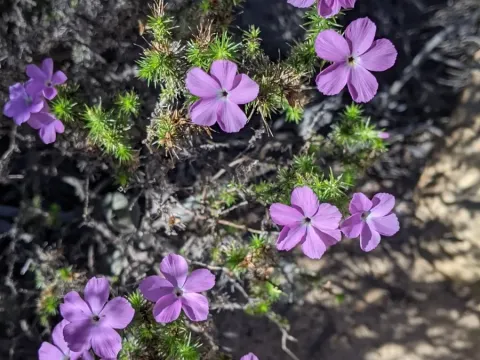
Linanthus
Linanthus
Linanthus is an annual plant best propagated by sowing seeds directly into the garden soil once the danger of frost has passed. Early to mid-spring, when the ground is sufficiently warmed, is the ideal time to start these flowers.
What the section contains


Linanthus
In regions with shorter growing seasons, seeds can be started indoors in seed trays during late winter or early spring. Ensure the seedlings receive plenty of light to prevent leggy growth before they are transplanted outdoors.
The seeds are very fine and require a shallow sowing depth; they should be lightly pressed into the soil surface or covered with a very thin dusting of sand. Maintaining consistent soil moisture during the germination process is essential.
Space the seedlings or thin the direct-sown plants to approximately 20 centimeters apart. Proper spacing is crucial for airflow, which reduces the incidence of fungal diseases in the foliage of the plant.
Germination typically occurs within two weeks in temperatures ranging from 18 to 20 degrees Celsius. Once the seedlings are established, they require minimal intervention and thrive with proper placement in the landscape.
As a member of the Polemoniaceae family, Linanthus is native to the western regions of North America. It is perfectly adapted to sunny, open environments and requires full exposure to sunlight for optimal performance.
The plant demands well-draining soil, such as sandy or rocky substrates. It does not tolerate waterlogged conditions, which are highly detrimental to its delicate root system and can lead to rapid decay.
Linanthus is known for its high drought tolerance once established. Over-fertilization, particularly with high-nitrogen formulas, should be avoided as it encourages excessive vegetative growth at the expense of flower production.
Minimal maintenance is required regarding soil amendments. A lean soil environment often produces more compact and floriferous plants compared to nutrient-rich soils, which can lead to straggly growth patterns.
The plant prefers temperate conditions and performs best in locations that provide cool nights and sunny days. It is an excellent candidate for rock gardens, dry borders, or containers where drainage is well-managed.
Root rot is the most common threat to Linanthus, typically triggered by overwatering or poor soil drainage. If drainage is not improved, affected plants will show signs of wilting and eventually succumb to rot.
Powdery mildew can occur in conditions of high humidity and poor circulation. To mitigate this risk, ensure that the plants are not overcrowded and keep the foliage as dry as possible during the evening hours.
Aphids may occasionally target the succulent young growth or budding flowers. These pests are best managed by periodic inspections and, if necessary, the application of gentle insecticidal soaps or horticultural oils.
Spider mites can become an issue during prolonged hot and dry periods. Maintaining a healthy environment and providing appropriate water helps keep the plants vigorous and less susceptible to mite infestations.
Slugs and snails may feed on the young seedlings during damp spring weather. Implementing physical barriers or using pet-safe snail bait can effectively protect the plants during their early stages of growth.