
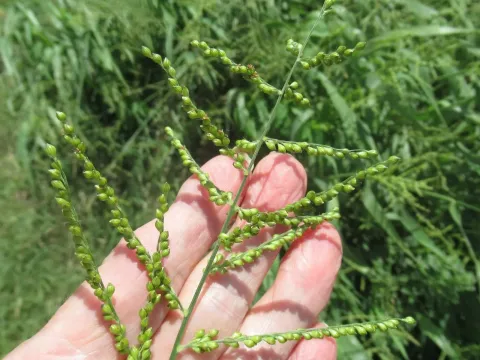
Brown urochloa
Urochloa fusca
Brown urochloa (Urochloa fusca), formerly classified as Brachiaria fasciculata, is an annual grass species belonging to the Poaceae family. It is native to tropical and subtropical regions of the Americas, thriving in diverse ecological niches.
What the section contains
Brown urochloa
The plant is characterized by its high thermal requirements and preference for full sun exposure, making it an excellent candidate for cultivation in warm climates. It demonstrates significant phenotypic plasticity depending on regional environmental factors.
Soil adaptability is a key feature of this species; it grows well in various soil textures, including heavier clays that may experience seasonal flooding. It is moderately tolerant to drought once the root system is well-established.
As a forage crop, Brown urochloa is utilized for grazing and hay production due to its high biomass productivity and nutritional value. It is particularly valued in systems where forage needs to be produced during the wet summer months.
Botanically, the species features a distinct inflorescence and a spreading growth habit. Its ability to tiller rapidly allows it to create a dense canopy, which effectively suppresses competing weeds within the pasture environment.
Fungal leaf spot diseases represent the primary health risk for this crop, especially in areas with high humidity. Proper field sanitation and avoiding excessive nitrogen fertilization can mitigate these outbreaks.
Invertebrate pests, including grasshoppers and certain beetle larvae, can cause significant damage to the foliage and roots. Integrated pest management strategies are recommended to manage these populations.
Root rot pathogens may thrive if the field is poorly drained. Ensuring adequate drainage and avoiding field compaction are essential agronomic practices for maintaining healthy stands.
Sucking insects like aphids are common vectors for viral diseases in grasses. Regular scouting for these pests ensures that protective interventions can be applied before damage reaches critical levels.
Competition from invasive plant species can hinder the initial establishment phase of the crop. Implementing clean sowing practices is fundamental to ensuring a uniform and healthy crop stand.