
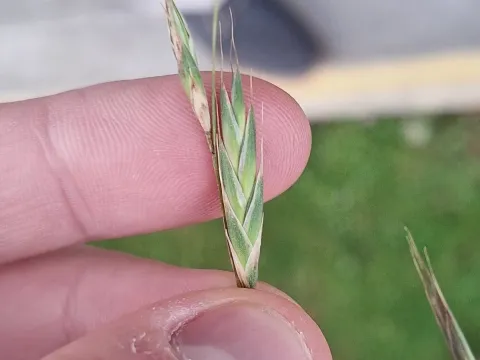
Bromus stamineus
Bromus stamineus
Bromus stamineus is a perennial grass species that requires careful timing for seeding to ensure robust establishment and survival.
What the section contains
Bromus stamineus
The optimal sowing period is typically early spring, as soon as the soil temperatures are adequate for germination and initial growth.
Alternatively, late summer sowing can be successful in regions with mild winters, allowing the plants to establish before the cold season begins.
Seed depth should be kept shallow, generally between 1.5 and 3 centimeters, to facilitate rapid emergence through the soil surface.
Ensuring proper seed-to-soil contact through rolling or pressing is a highly recommended practice for increasing the success rate of the stand.
As a member of the Poaceae family, this crop is well-adapted to various environments but performs best in well-drained, fertile soils.
While it is tolerant of different soil textures, it thrives in loamy soils that provide a balance between water retention and aeration.
The plant shows significant resilience to cold temperatures and can adapt to different climatic conditions, though it avoids waterlogged sites.
Adequate sunlight is essential for optimal biomass production, so open areas are preferred for establishing productive meadows and pastures.
Fertility management, particularly through nitrogen application, significantly boosts the regrowth potential and overall nutritional quality of the forage.
Bromus stamineus is highly valued for its consistent yield, providing multiple cuts of high-quality forage throughout the growing season.
When managed properly, the crop provides reliable harvests for several years, making it an efficient choice for long-term pasture rotation.
The forage is suitable for both hay production and direct grazing, offering high digestibility and protein content for livestock.
Good management practices allow for secondary growth after mowing, which maximizes the total annual yield per hectare.
The ability to produce seeds within the stand allows for natural reseeding, which can help maintain the density and vigor of the grassland over time.
Common fungal diseases, including various rusts and mildews, can affect the crop, especially in areas with high humidity and poor air circulation.
Insect pests such as grain aphids and shoot flies can compromise crop health during the vulnerable early stages of growth.
Maintaining a balanced ecosystem through proper field management is the primary strategy for minimizing the impact of these threats.
Crop rotation and keeping fields free of invasive weeds are essential steps for sustaining the health and longevity of the Bromus stamineus stand.
- Regular inspection of leaf health
- Implementation of integrated pest management
- Avoiding overgrazing to maintain plant vigor
- Proper drainage in the field
- Early detection and treatment of local outbreaks
Harvesting for high-quality hay should be conducted at the early heading stage, ensuring the plant still retains high nutritional value.
Delaying the harvest too long leads to increased lignification, which reduces the feed quality and digestibility for livestock animals.
For seed production, harvesting is critical when seeds have reached physiological maturity but have not yet begun to shatter from the heads.
Proper post-harvest drying and storage are essential to prevent quality loss due to fungal growth or overheating in storage facilities.
Managed grazing can be used as a harvest method during late autumn, provided the plants are not grazed so low as to damage the roots.