
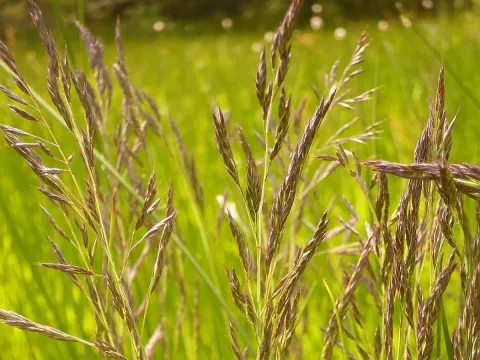
Brook fescue
Festuca rivularis
Brook fescue, scientifically known as Festuca rivularis, is a hardy perennial grass belonging to the Poaceae family. Sowing is typically performed during early spring, once soil temperatures consistently reach 8–10 degrees Celsius, ensuring optimal germination rates.
What the section contains
Brook fescue
Autumn sowing is also a viable option in regions with milder winters, allowing seeds to establish root systems before the onset of summer heat. The seeds should be planted at a depth of 1.5 to 2.5 centimeters, depending on soil texture and current moisture levels.
Seeding rates generally range from 12 to 16 kilograms per hectare, depending on whether the fescue is grown as a monoculture or within a diverse forage mix. Using high-quality, certified seeds is essential for maintaining uniform stand density.
Immediately after planting, compacting the soil using a roller is a critical step to ensure seeds remain in close contact with moist soil particles. This practice significantly improves germination uniformity, especially in regions prone to early seasonal droughts.
During the establishment phase, the grass grows slowly, necessitating effective weed control to ensure the crop has access to light and nutrients. Once established, the robust root system of Festuca rivularis allows it to outcompete most common field weeds.
Festuca rivularis thrives in environments with moderate moisture, which is characteristic of its native habitats near brooks and lowland areas. It is well-suited for regions that experience consistent seasonal rainfall throughout the growing season.
The plant exhibits excellent cold tolerance, capable of surviving harsh winters, which makes it a reliable choice for temperate climate pastures. However, it requires well-drained soils, as waterlogged conditions can lead to root rot during dormant winter periods.
Regarding soil quality, this grass prefers neutral to slightly acidic pH levels. Soils with good organic matter content provide the best nutrient base for high biomass production, although the plant is adaptable to various soil structures provided they are aerated.
While the plant tolerates partial shade, it achieves the highest productivity in full sunlight. Fertilizer applications, particularly those rich in nitrogen, are recommended during the early spring growth phase to stimulate tillering and increase the total yield of green matter.
Environmental stressors such as prolonged dry spells can limit growth, so areas with reliable supplemental irrigation systems are ideal for intensive cultivation. Maintaining soil structure through proper management practices is vital for long-term stand viability.
Brook fescue is primarily utilized as a high-value forage component in pasture-based livestock production. Its yield is strongly correlated with effective management, including rotational grazing and proper fertilization schedules to maximize productivity per hectare.
The forage quality remains high during the vegetative stage, offering essential proteins and minerals for cattle, sheep, and horses. As a result, it is highly sought after for both fresh grazing and the production of nutrient-dense hay or haylage.
The plant is known for its strong recovery capacity after grazing or mowing, which allows for multiple harvest cycles per season under intensive management. Its resilience to trampling makes it an excellent choice for long-term pasturage.
Average dry matter yields typically range between 40 and 70 decitonnes per hectare, depending on soil fertility and climate variables. Optimal grazing pressure ensures that the grass remains in a productive state throughout the entire growing season.
Seed production is an additional economic benefit for farmers, with yields often reaching 3–5 decitonnes per hectare. Timely harvesting is required to maximize seed recovery and ensure the quality of the planting material for the following year.
Like many graminoids, Festuca rivularis is susceptible to various fungal pathogens, such as powdery mildew and leaf rust, particularly during seasons with high humidity. Monitoring the crop for early symptoms is essential to prevent large-scale spread.
Pests including cereal flies, aphids, and leafhoppers can damage young growth, reducing the photosynthetic capacity of the plants. Integrated pest management strategies, such as biological control or targeted treatments, are used to keep populations below economic injury levels.
Overcrowded stands increase the risk of disease transmission, emphasizing the importance of following recommended seeding rates and avoiding excessive nitrogen application. Maintaining a balanced nutrient regime enhances the plant's natural resistance.
Small rodents can occasionally pose a threat by gnawing on the root crowns during the winter months, potentially damaging the stand. Proactive clearing of field edges helps mitigate these risks and preserves the health of the pasture.
Overall, brook fescue is considered a durable crop when managed appropriately. Preventive measures, including proper drainage and standard hygiene protocols in the field, are usually sufficient to maintain a healthy and productive stand.
For high-quality hay, Festuca rivularis should be harvested at the early heading stage, when nutrient content and digestibility are at their peak. Delaying the harvest leads to lignification, which reduces the nutritional value of the final product.
Modern haying equipment, including conditioners, is used to facilitate rapid drying of the cut biomass. Achieving a moisture content of under 17% is crucial for safe storage and the prevention of mold development within hay bales.
Rotational grazing systems are recommended for pasture management, allowing the grass to recover between sessions. This approach prevents overgrazing and encourages deeper root development, which supports long-term sustainability.
Seed harvesting requires precision, as the seeds are prone to shattering if left on the stalk too long. Farmers typically use a two-stage process or specialized combine headers during the cool morning hours to capture the maximum seed yield.
Post-harvest conditioning includes cleaning and drying the seeds to reach optimal storage standards. Properly stored seeds can maintain high germination rates for multiple seasons when kept in cool, dry environments.