
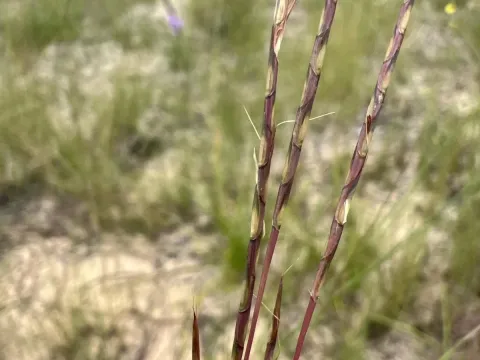
Schizachyrium tenerum
Schizachyrium tenerum
Schizachyrium tenerum is a perennial grass species within the Poaceae family. Native to tropical and subtropical regions of the Americas, this grass is valued for its hardiness and ability to thrive in diverse environmental conditions.
What the section contains
Schizachyrium tenerum
The plant performs best in well-drained soils, showing a preference for sandy or gravelly textures. It is highly adapted to regions characterized by distinct dry and wet seasons, maintaining productivity where other crops might fail.
Botanically, Schizachyrium tenerum forms dense bunches, which play a crucial role in soil stabilization and erosion control. Its C4 photosynthetic pathway allows the plant to efficiently utilize solar energy under high-temperature conditions.
Cultural requirements include full sun exposure and avoidance of waterlogged soils. The grass exhibits robust growth during warmer months, responding well to moderate rainfall and ensuring sustained biomass production.
In agricultural practice, this species is primarily managed as a native pasture grass. It provides sustainable forage for livestock when stocking rates are managed to prevent overgrazing.
The primary threat to the longevity of Schizachyrium tenerum stands is overgrazing by livestock, which depletes root reserves. Implementing rotational grazing patterns is essential to maintain plant vigor and density.
Pathogens, such as leaf rusts and various fungal spots, may occur under conditions of excessive humidity or poor air circulation. These diseases can reduce the nutritional value of the grass for grazing livestock.
Insect pests, including various aphids and leafhoppers, may occasionally infest the plants. However, in healthy pasture systems, natural predators usually keep these pest populations below economic injury levels.
Effective management strategies focus on preventing the invasion of non-native weeds that may compete for nutrients and space. Proper range management ensures that the grass remains competitive in its environment.
Biological resilience is a key feature of this species, though it is not immune to prolonged stress. Maintaining soil health and fertility is fundamental for minimizing the impact of potential biotic and abiotic threats.