
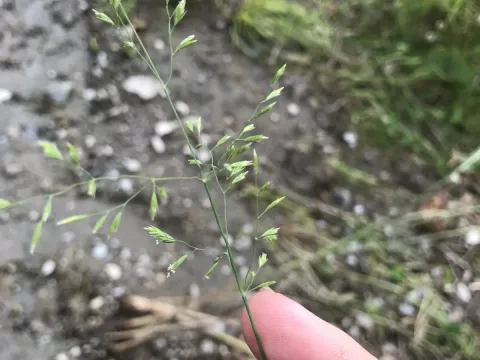
Poa sphondylodes
Poa sphondylodes
Poa sphondylodes is a perennial grass species belonging to the Poaceae family, valued for its environmental resilience. Sowing is generally conducted in early spring once soil temperatures reach a consistent 8–10 degrees Celsius, ensuring optimal germination rates.
What the section contains
Poa sphondylodes
Seeds should be planted at a shallow depth of 1 to 2 centimeters to maximize emergence success. Maintaining proper seed distribution across the field is essential for establishing a dense and uniform stand during the first growth cycle.
Proper seedbed preparation is critical, as the soil should be fine-textured and free of perennial weeds. A well-leveled surface ensures that seeds maintain good contact with the soil, which is necessary for moisture uptake and rapid development.
Post-sowing compaction using a roller is a recommended agronomic practice. This step helps conserve soil moisture and provides the necessary firmness to prevent the seeds from being buried too deep during subsequent irrigation or rainfall.
The plant exhibits vigorous tillering, allowing it to quickly form a durable sward. This characteristic makes it an excellent choice for stabilizing soil on pasture land and providing reliable biomass production over multiple seasons.
This grass species shows remarkable ecological adaptability and is well-suited for temperate climate zones. It possesses strong winter hardiness, allowing it to survive extreme low temperatures without significant damage to the root system.
While tolerant of various soil types, Poa sphondylodes thrives in fertile, well-drained loamy soils. It maintains high productivity in neutral to slightly acidic pH conditions, which are typical for most agricultural regions.
Moisture availability is an important factor for achieving maximum yields. Although it exhibits moderate drought tolerance once established, consistent soil moisture during the shooting phase is vital for robust plant height.
The species prefers full sun exposure to maintain high photosynthetic activity. While it can tolerate partial shading, the biomass yield is significantly higher in open, well-lit environments, ensuring the longevity of the stand.
In addition to forage value, the species contributes to soil conservation. Its complex and fibrous root system effectively anchors the soil, reducing the risk of water erosion on sloped terrains and improving overall soil structure.
The primary threats to the health of the stand include fungal pathogens such as rust and powdery mildew. These diseases typically flourish under conditions of high humidity, poor air circulation, and overly dense planting.
Cereal flies and aphids are common pests that may infest the crop during early vegetative stages. Monitoring the fields regularly is essential for identifying early signs of damage and implementing necessary control strategies.
Maintaining a balanced fertilization program is crucial for disease prevention. Over-application of nitrogen can lead to rapid, succulent growth that is more susceptible to both pathogenic fungi and insect colonization.
Soil-borne pests like wireworms can damage root systems, potentially leading to sparse stands. Deep tillage before sowing can significantly reduce the population of these pests and protect the developing seedlings.
Weed management during the establishment phase is vital for the success of this crop. Since seedlings initially grow slowly, suppressing competition from fast-growing weeds is necessary to ensure the grass eventually dominates the site.