
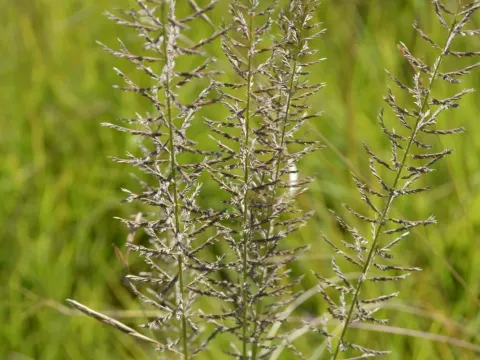
Pogonarthria
Pogonarthria
Pogonarthria is a perennial grass genus known for its resilience in challenging environments. For agricultural establishment, sowing should align with the onset of the rainy season to provide consistent moisture required for germination.
What the section contains

Pogonarthria
Seedbed preparation involves minimal tillage, as the plant is naturally adapted to firm soils. Seeds are small and should be planted at a shallow depth of 1–2 centimeters to ensure successful emergence of sprouts.
Proper seeding rates are essential to achieve uniform density across the field. Since initial growth can be slow, protecting young plants from premature grazing is critical for establishing a long-lasting stand.
Optimal sowing times depend on local climatic patterns, specifically the window of highest soil moisture. This timing allows the plant to develop a deep and robust root system before the onset of dry conditions.
Using precision seed drills is recommended for even distribution, which reduces intra-species competition and allows each plant to maximize its uptake of water and soil nutrients effectively.
Pogonarthria belongs to the Poaceae family and is native to tropical and subtropical African regions. It has evolved to survive extreme temperature fluctuations and significant seasonal water shortages.
The plant thrives in well-drained, sandy or sandy-loam soils. It is highly intolerant of waterlogged conditions, which can lead to root rot and diminished vigor, making soil drainage a priority for growers.
High levels of sunlight are required for optimal photosynthesis and biomass production. Sites selected for cultivation should be open and free from obstruction by trees or taller competing vegetation.
Temperature ranges between 25 and 35 degrees Celsius are ideal for growth. Pogonarthria employs physiological dormancy mechanisms to survive extreme heat, allowing it to recover quickly once conditions improve.
Fertilization with phosphorus-based nutrients is beneficial in less fertile soils, as it stimulates root development and enhances the grass's overall tolerance to drought and environmental stress.
The biomass yield of Pogonarthria is heavily influenced by rainfall distribution and soil fertility. While not the highest-yielding forage grass, its reliability in dry periods makes it a valuable asset for pastoral systems.
Maintaining high yields requires a rotational grazing strategy. Giving the plants sufficient time to recover after grazing allows for the replenishment of carbohydrate reserves in the root system.
Nutritional value is highest during the vegetative stage. As the plant approaches the reproductive phase, fiber content increases, which may decrease digestibility. Timing grazing to match the grass's growth cycle is key.
Management of stocking rates is crucial to prevent overgrazing. Over-utilization can lead to plant death and soil erosion, whereas controlled management ensures that the stand remains productive for many years.
With correct management, a stand of Pogonarthria can persist for several years, providing a consistent source of forage that reduces the need for frequent field re-establishment in dryland farming.
The primary biotic threats include rust fungi, which are more prevalent in humid or poorly ventilated conditions. Prevention focuses on maintaining adequate space between plants to allow for airflow.
Insects like grass flies can damage reproductive parts, affecting seed yield. Monitoring for early signs of infestation and using targeted integrated pest management strategies are standard practices.
Competition from weed species is significant during the first year of growth. Mechanical weeding or selective application of herbicides may be necessary to ensure the young grass can compete successfully.
Poor soil management and excessive livestock traffic can lead to root damage and weakened growth. Maintaining soil structure is vital for ensuring the plant's long-term resistance to diseases and pests.
Nematode infestations may occur in intensive cultivation sites. Incorporating crop rotation with non-host species is an effective biological control method to maintain a healthy root zone environment.
Hay harvesting should take place at the early flowering stage to capture the optimal balance of protein and structural carbohydrates. Mowing too late results in lower quality feed with high lignification.
The harvesting process involves mowing, windrowing, and baling. Ensuring the moisture content is low during baling is critical to preventing mold development and spoilage during storage.
Seed collection requires precise harvesting equipment, as the seeds are small and fragile. Adjusting the threshing mechanism helps minimize loss while maintaining the purity of the harvested seed lot.
Stored hay must be kept in dry, well-ventilated barns to prevent moisture absorption. Quality storage maintains the forage's palatability and ensures it remains a safe food source for livestock throughout the winter.
Using seed-cleaning machines with appropriate screens allows for the removal of chaff and foreign material. High-purity seeds are essential for ensuring a vigorous and productive crop in the following season.