
Poa humilis
Poa humilis
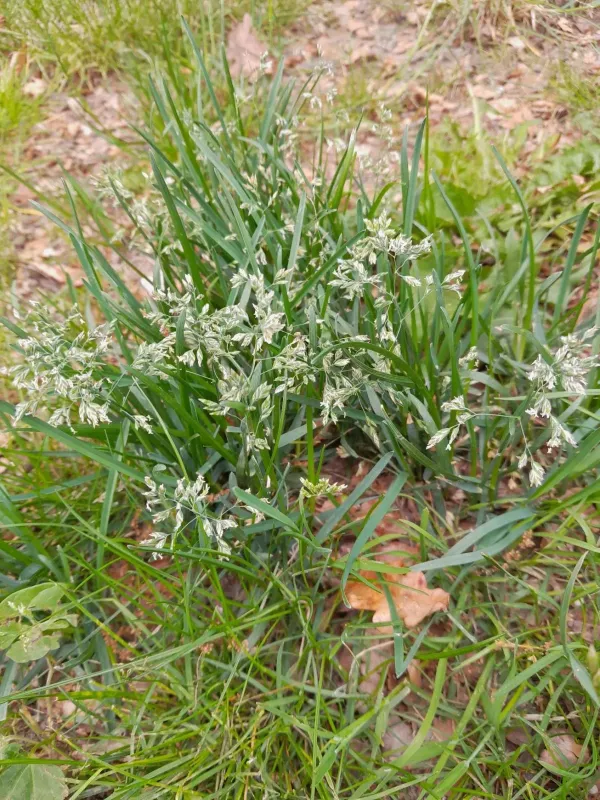
Description
Sowing dates
Poa humilis, commonly known as a type of meadow grass, is a perennial graminoid that thrives in cooler climates. Sowing is typically carried out in early spring to leverage soil moisture, which is critical for the germination of its relatively small seeds.
When sowing for pasture establishment, seeds should be sown at a shallow depth of approximately 1 to 1.5 centimeters. This ensures that the seedlings can emerge successfully without exhausting their internal energy reserves.
Rolling the soil after seeding is an essential practice to improve seed-to-soil contact. This step is particularly important in sandy or light soils to prevent desiccation of the seedbed during the initial stages of establishment.
In regions with harsh winters, dormant autumn seeding can also be practiced. This method allows the seeds to undergo natural stratification, leading to earlier and more vigorous germination when temperatures rise in the following spring.
Proper density of the stand is achieved by adjusting the seeding rate based on the intended use. For intensive pasture systems, higher seed rates are often used to suppress weed encroachment and establish a competitive, high-density turf early on.
Growing requirements
This grass species is highly adaptable to a variety of environmental conditions, showing excellent cold tolerance. It is well-suited for temperate and alpine regions, where it maintains growth even when temperatures fluctuate significantly.
Poa humilis prefers well-drained soils ranging from loams to sandy loams. While it can withstand temporary moisture, it does not perform well in waterlogged areas where anaerobic conditions can damage the root system.
The ideal soil pH for this species falls between 5.5 and 7.0. It demonstrates a balanced nutrient requirement, though applications of nitrogen fertilizer in early spring can significantly boost vegetative growth and tillering capacity.
Light availability is a key factor for the vitality of the plant. It performs optimally in full sun but can tolerate partial shade, though productivity and tillering density are likely to decrease in heavily shaded environments.
The species possesses an extensive, fibrous root system that enhances its survival during dry spells. This resilience makes it a valuable component of pasture mixtures designed to remain productive across varying annual rainfall patterns.
Yield
The yield of Poa humilis is defined by its ability to recover after grazing or mowing. With proper management and adequate nutrient inputs, the grass can provide multiple harvests during a single growing season.
Its nutritional value is highest in the vegetative phase, characterized by good protein content. Farmers are advised to manage grazing rotation effectively to harvest the biomass while it remains in its most nutritious and palatable state.
Dry matter yields can reach several tons per hectare when the stand is well-maintained. The productivity of the crop is often enhanced when it is grown in combination with clover or other legumes, which provide natural nitrogen enrichment.
Management of the grazing height is crucial for the long-term yield potential. Overgrazing can deplete energy reserves in the roots, reducing the vigor of future regrowths and making the pasture more susceptible to weed invasion.
Data suggests that sustained yield in meadow environments is largely dependent on the frequency of mowing. Annual maintenance, including proper fertilization, ensures that the stand remains competitive and productive for many years.
Main diseases and pests
Poa humilis generally maintains good resistance to many common fungal diseases. However, in conditions of high humidity and poor air circulation, powdery mildew can occasionally affect the leaf blades, potentially reducing photosynthesis.
Rust diseases are occasionally observed during periods of fluctuating temperatures and high moisture. Managing the height of the grass through timely mowing is an effective way to remove infected tissue and slow the spread of the pathogen.
Insect pests such as cereal flies and aphids can cause damage during the vegetative stage. These pests typically feed on the tender young leaves, which can stunt plant growth and reduce the overall quality of the forage.
Root-feeding larvae, like those of the click beetle (wireworms), pose a threat to younger stands by feeding on the root system. Effective soil preparation and crop rotation are the primary preventive strategies against such soil-borne threats.
In integrated pest management, the goal is to maintain the health of the stand so that chemical interventions are unnecessary. Maintaining a healthy, diverse, and well-managed pasture is the most reliable way to minimize the impact of biotic stressors.