
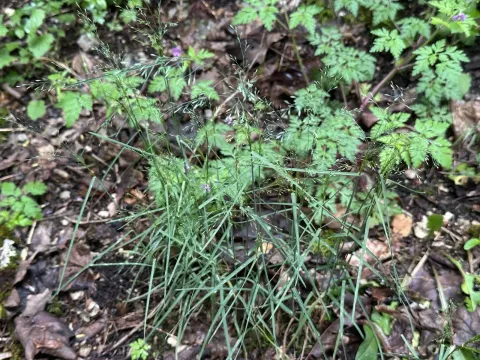
Glaucous bluegrass
Poa glaucantha
Glaucous bluegrass (Poa glaucantha) is a perennial grass species belonging to the Poaceae family. This plant is known for its remarkable hardiness and ability to thrive in harsh, cold environments, including high-latitude regions and alpine zones.
What the section contains
Glaucous bluegrass
Native to cold climates, this species is naturally adapted to rocky slopes, screes, and nutrient-poor soils. Its biological resilience allows it to persist under conditions where more demanding forage grasses would struggle to survive.
The crop requires well-drained soil conditions and shows a strong preference for neutral to slightly alkaline pH levels. It is exceptionally drought-tolerant once established, making it a reliable choice for areas experiencing irregular rainfall patterns.
Agricultural management of this grass focuses on its slow initial growth rate. Producers should account for this during the establishment phase, as the plant invests significant energy into building a strong, dense root system before producing abundant top growth.
In terms of land use, it is primarily utilized for range improvement and sustainable pasture development in colder climates. It provides a stable source of forage and helps prevent soil erosion due to its dense, clump-forming growth habit.
Disease pressure on glaucous bluegrass typically increases in environments with poor air circulation and excessive soil moisture. Rust fungi are the most prevalent threats, which can diminish the nutritional value of the harvested hay.
Powdery mildew may occur during warmer, humid springs, especially if fields are over-fertilized or excessively dense. Managing plant density and ensuring proper field drainage are essential preventative strategies for producers.
In terms of insect pests, cereal flies and grass mites can pose significant threats during the seedling stage. Regular field scouting is recommended to identify localized outbreaks before they compromise the stand structure.
Root rot pathogens are a potential risk in waterlogged soils, which this species cannot tolerate. Ensuring fields have proper drainage is the most effective way to protect the long-term viability of the stand against these fungal threats.
The species generally displays high natural resistance to many common grassland pests, making it a sustainable option for low-input agricultural systems where chemical intervention is kept to a minimum.