
Giant Themeda
Themeda gigantea
Description
Sowing dates
Sowing of Themeda gigantea is typically performed in spring when soil temperatures consistently reach levels conducive to rapid seed germination.
Proper seedbed preparation is essential to eliminate weed competition, which can be critical for the establishment of small-seeded grass varieties.
Seeds are broadcast or drilled at a shallow depth, as exposure to light is often necessary for successful emergence and early seedling development.
Row spacing should be managed to optimize the density of the stand, allowing for adequate sunlight penetration and airflow between the mature stalks.
Post-sowing irrigation is often required to maintain soil moisture in the surface layers until the root systems have anchored sufficiently.
Growing requirements
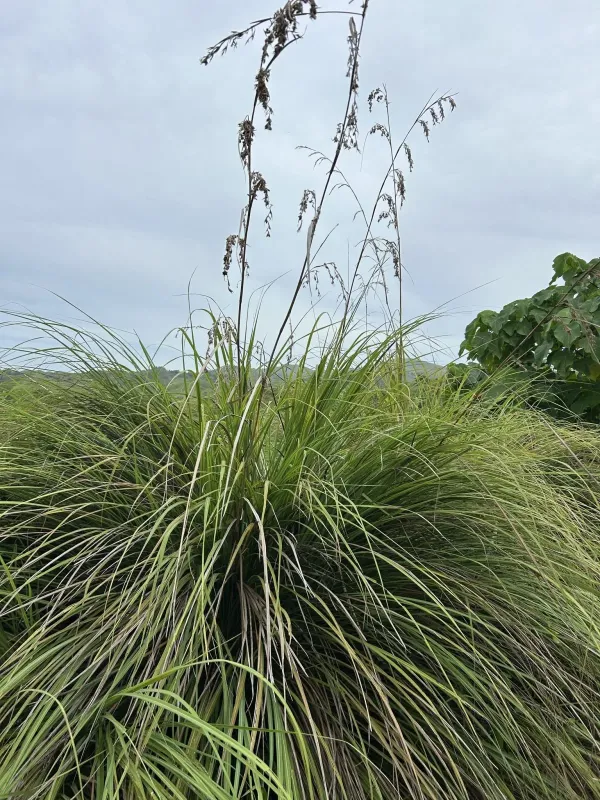
Giant Themeda, scientifically known as Themeda gigantea, belongs to the Poaceae family and is a large perennial grass native to tropical regions.
This crop demands high levels of sunlight and does not perform well in shaded conditions, which can lead to stunted growth and reduced biomass.
Well-drained soils, ranging from sandy loams to heavier silt-based soils, provide the best environment for this species to flourish throughout its cycle.
The climate must be tropical or subtropical, characterized by warm temperatures and sufficient rainfall during the primary growth phase of the plants.
While the plant is hardy once established, it requires adequate nutrient availability, particularly nitrogen, to support its massive vegetative structure.
Yield
The yield potential of Giant Themeda is significant, making it an attractive candidate for biomass production and sustainable energy projects.
Annual biomass yields can be high when the crop is managed with optimal fertilization schedules and irrigation during dry intervals.
Productivity metrics are highly dependent on the harvesting frequency, as frequent cutting can impact the longevity of the perennial stools.
The chemical composition of the biomass, particularly the fiber content, makes it suitable for secondary processing into various industrial products.
Monitoring growth rates throughout the season allows for precise timing of harvests to ensure the maximum return per hectare of cultivated land.
Main diseases and pests
Fungal pathogens often pose a risk during periods of stagnant humidity, particularly within dense stands where airflow is naturally restricted.
Insect pests that target stem and leaf tissues can reduce overall plant vigor and lower the quality of the raw material collected during harvest.
Integrated pest management strategies are recommended to mitigate the impact of threats without relying solely on intensive chemical applications.
Field sanitation, including the removal of debris after the final harvest, helps break the lifecycle of many specialized pathogens and pests.
Early identification of symptoms in the field is vital for effective control, requiring regular scouting of the plantation by agricultural personnel.
Harvesting
Harvesting strategies for Themeda gigantea involve the use of heavy-duty mowing equipment capable of processing its thick, fibrous stems efficiently.
The optimal harvest timing is dictated by the specific end-use requirements, such as bioenergy production which favors higher dry matter content.
Post-harvest management involves clearing the field to promote rapid regrowth and ensuring that the stubble remains intact for the next cycle.
Drying and baling or immediate transport of the biomass to processing facilities are critical logistics steps to prevent quality loss in the field.
Proper harvest management ensures the long-term sustainability of the field, allowing it to produce for several years without the need for reseeding.