
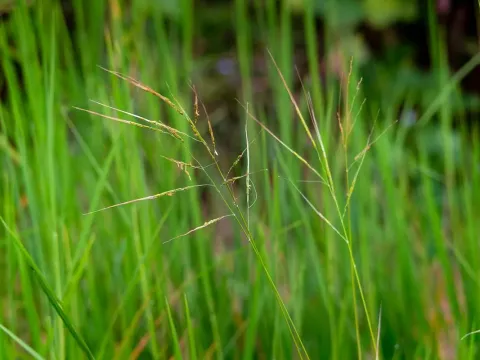
Grainy rice
Oryza granulata
Grainy rice (Oryza granulata) is a perennial grass species belonging to the Poaceae family. Unlike traditional agricultural rice varieties, this species is typically found in the wild, inhabiting shady and moist environments within tropical forests.
What the section contains
Grainy rice
The native range of this species extends across Southeast Asia, including parts of India and the Philippines. It is naturally adapted to growth in forest understories, distinguishing it from the aquatic, flooded-field requirements of commercial rice cultivars.
Climate requirements for this species are centered on high, stable tropical temperatures. It is highly sensitive to cold stress and generally lacks the frost tolerance required for cultivation in temperate climate zones.
Soil requirements involve well-drained, nutrient-rich substrates. Unlike Oryza sativa, this species does not thrive in stagnant water; it requires sufficient aeration of the rhizosphere to maintain its physiological health and development.
Botanically, the plant is characterized by its specific panicle structure and smaller grain size. While not a staple food crop, its genome represents a valuable resource for breeders looking to incorporate specific stress-resilience traits into commercial rice varieties.
Primary threats to Oryza granulata include various fungal pathogens, most notably the rice blast fungus (Magnaporthe oryzae), which can proliferate rapidly in the humid forest environments where this grass thrives.
Insect pests pose a significant danger, especially lepidopteran species that bore into the stems or consume the reproductive parts of the plant. These infestations can significantly reduce the viability of seed production.
Competition from aggressive forest weeds often limits the spread of this species. Since the plant has a relatively slow growth rate compared to many invasive tropical grasses, it is frequently outcompeted in open or disturbed habitats.
Anthropogenic habitat destruction is a major threat to the preservation of natural populations. Deforestation and land conversion in the tropical regions of Southeast Asia lead to the fragmentation of its native territory.
Environmental stress, such as prolonged drought or soil degradation, weakens the plant's natural defenses, making it more susceptible to secondary infections and systemic pests, which may lead to localized population decline.