
Great Basin wildrye
Elymus cinereus
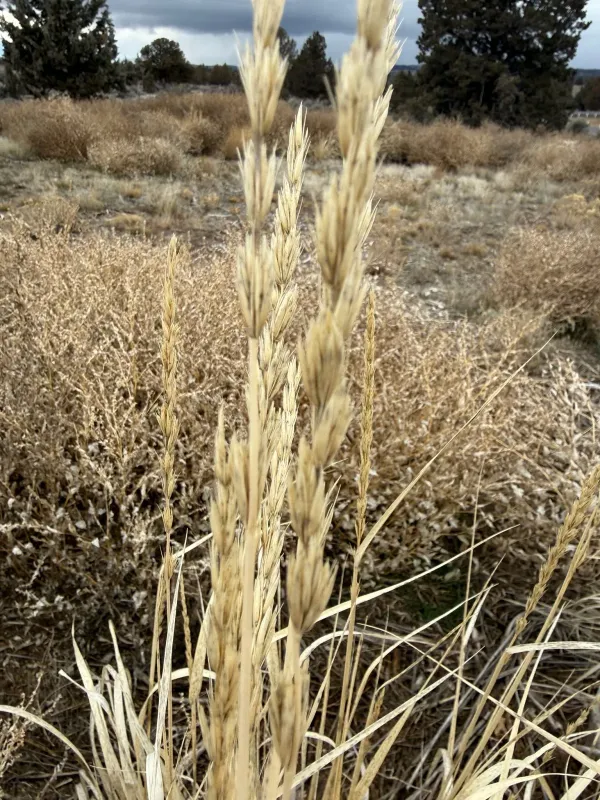
Description
Sowing dates
Seeding of Great Basin wildrye is best accomplished in early spring or late autumn, utilizing the natural moisture cycle to ensure proper germination of the seeds.
A well-prepared, firm seedbed is critical for the success of this species, as the seedlings are known for their slow initial growth rate and limited competitiveness.
Seeds should be planted at a depth of approximately 1 to 2 centimeters to ensure adequate moisture access while allowing the small seeds to break through the soil surface.
Row spacing should be managed to prevent overcrowding, which can lead to disease outbreaks and reduce the individual plant vigor over the long term.
Post-seeding compaction is highly recommended to improve soil-to-seed contact, which significantly enhances the establishment success in variable climatic conditions.
Growing requirements
Great Basin wildrye, scientifically known as Elymus cinereus, is a tall, perennial bunchgrass belonging to the Poaceae family, widely recognized for its robust nature.
The plant is exceptionally drought-tolerant and cold-hardy, making it a staple species in temperate regions with harsh winters and limited summer rainfall.
It performs best on deep, well-drained soils, including loams and clays, and shows an impressive tolerance to slightly alkaline or saline soil conditions.
It cannot withstand long periods of standing water, therefore adequate drainage is a fundamental requirement for maintaining healthy and productive stands.
This grass species is well-adapted to environments where other forage crops struggle, making it an excellent choice for reclamation and conservation efforts.
Yield
As a forage crop, Great Basin wildrye provides substantial biomass, often serving as a critical source of winter feed due to its ability to remain standing.
The yield potential is dependent on the stand management, specifically the application of nitrogen fertilizers which can boost annual production significantly.
Under favorable management, the longevity of a stand can exceed a decade, providing a sustainable return on the initial investment in establishment.
Nutritional analysis indicates that the grass maintains decent protein levels if harvested before the onset of reproductive maturity and complete lignification.
It is widely used in livestock grazing systems and as a source of hay in areas where environmental conditions limit the growth of more sensitive species.
Main diseases and pests
Common issues affecting Elymus cinereus include rusts and various fungal leaf spot diseases that thrive in high humidity and poorly ventilated canopy environments.
Insect pests like grasshoppers can cause localized damage, particularly in years with prolonged hot and dry spells that stress the plant community.
Managing the plant density is a key prophylactic measure against these pests, as open stands have better air circulation and are less prone to disease.
Weed control during the establishment phase is essential, as the young wildrye plants are easily outcompeted by invasive weeds and annual grasses.
Integrated pest management strategies focusing on early detection and maintaining optimal soil moisture help in preserving the health of the perennial stand.
Harvesting
For high-quality forage, harvesting should occur during the late vegetative or early boot stage to balance yield with nutritional value and palatability.
Delayed harvesting leads to a rapid decline in protein content and digestibility, as the stems become coarse and accumulate higher levels of complex carbohydrates.
A cutting height of at least 10–15 centimeters is advised to ensure that the crown of the plant remains intact, allowing for vigorous regrowth after the cut.
When harvesting for seed, it is necessary to wait for the seed heads to reach maturity, which is evidenced by the characteristic change in color and seed firmness.
Mechanical harvesting requires proper calibration to ensure that high-quality seed is collected while minimizing the damage to the remaining plant crown.