
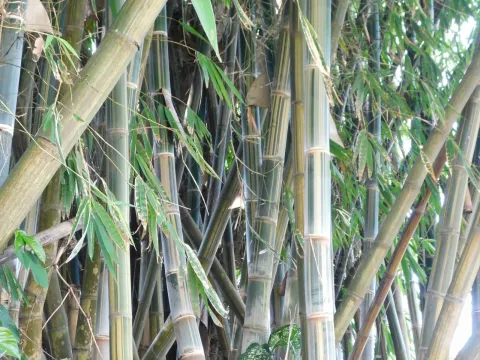
Gigantochloa
Gigantochloa Kurz ex Munro
Gigantochloa is a genus of large, woody bamboos belonging to the Poaceae family. These plants are native to the tropical regions of Southeast Asia, where they form essential components of forest ecosystems and provide significant economic benefits to local populations.
What the section contains

Gigantochloa
The culture thrives in hot, humid climates with high annual rainfall. For optimal development, Gigantochloa requires deep, fertile, and well-drained soils. Waterlogging should be avoided, as it can cause root system stress and limit biomass accumulation in the long term.
Temperature stability is critical, as these bamboos are extremely sensitive to cold and frost. They perform best in environments with consistent temperatures between 20°C and 30°C. Proper site selection in tropical lowlands is essential for successful commercial establishment.
Agronomic management involves periodic thinning and nutrient supplementation, especially during the early stages of plantation growth. Adequate spacing between clumps is vital to prevent overcrowding, which can negatively impact the quality of the harvested culms.
In terms of utilization, Gigantochloa is highly valued for its straight, durable, and flexible culms. It is extensively used in light construction, furniture manufacturing, handicraft production, and as a sustainable source of fiber for the pulp and paper industry.
The primary threats to Gigantochloa plantations are fungal pathogens, which often proliferate in poorly ventilated or excessively damp environments. Diseases such as culm rot and leaf spot can significantly impact the quality of the raw material.
Insect pests, including various species of borers and beetles, pose a major risk to the structural integrity of the bamboo. These pests can damage young shoots and mature culms, necessitating vigilant monitoring and preventative management practices.
Effective plantation hygiene is the first line of defense against biological threats. This includes the regular removal of dead or decaying biomass, which serves as a breeding ground for pests and pathogens that could spread to healthy plants.
- Maintain proper spacing between plants to enhance air circulation.
- Implement regular monitoring for early detection of pest outbreaks.
- Use integrated pest management (IPM) to minimize reliance on chemicals.
In addition to biotic threats, abiotic factors like nutrient imbalances or incorrect irrigation management can weaken the plants, making them more susceptible to disease. A balanced fertilization program and optimized irrigation are fundamental for maintaining a healthy and productive crop.