
Plicate sweet-grass
Glyceria notata
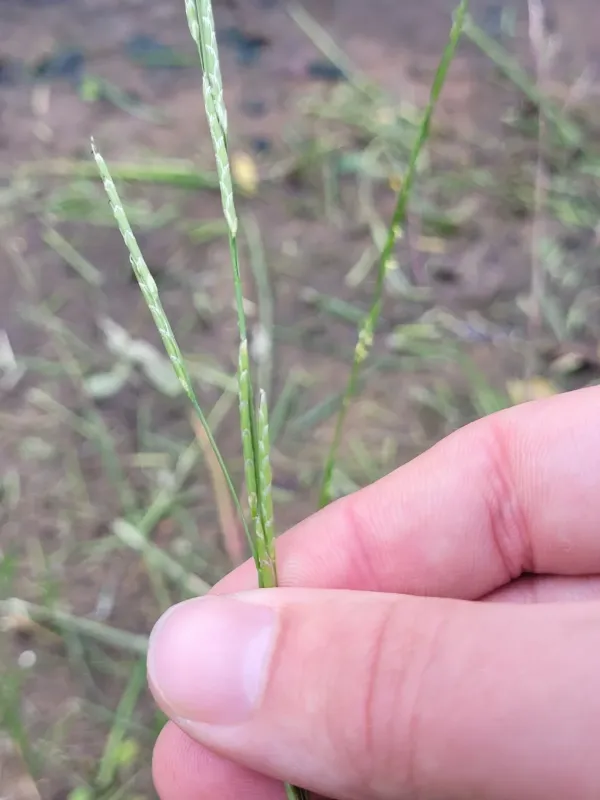
Description
Growing requirements
Plicate sweet-grass (Latin: Glyceria notata) is a perennial herbaceous plant belonging to the Poaceae family. It is native to Europe, Northern Africa, and Western Asia, thriving primarily in temperate climatic zones.
This crop is a typical hydrophyte, which means it develops best in waterlogged soils. Its natural habitat includes stream banks, marshy meadows, drainage ditches, and the riparian zones of stagnant water bodies.
The plant features a well-developed root system that helps anchor the soil and prevents bank erosion. Its stems can reach a height of 30 to 90 centimeters, often sprawling and rooting at the nodes to form dense, thick carpets.
The crop is not overly demanding regarding soil chemistry, but it shows maximum productivity in silty, fertile soils rich in humus. Its ability to withstand prolonged flooding makes it a valuable component for reclamation and drainage mixtures.
From an agrotechnical perspective, Plicate sweet-grass is valued for its high winter hardiness and ability to recover quickly from damage. It is resistant to water level fluctuations, which is critical for vegetation grown in floodplains.
Yield
The agricultural use of Plicate sweet-grass is focused on establishing quality hayfields and pastures in waterlogged conditions where other cereal crops fail to survive.
The green biomass of this plant is noted for its high nutritional value during early vegetation stages. Livestock consume this grass readily, as the leaves remain soft and succulent even as the plant approaches the flowering stage.
Hay yield directly depends on the moisture level of the area and the density of the sward. Under favorable conditions, sweet-grass can provide two stable cuts per growing season, ensuring significant fodder availability.
Beyond forage purposes, the crop is used for the biological purification of wastewater and the stabilization of slopes in hydraulic engineering projects, making it in demand for ecological construction.
Proper grazing management can extend the lifespan of a stand to 5–7 years. Overgrazing, however, can lead to stand thinning, so maintaining an optimal grazing load on the land is essential.
Main diseases and pests
The primary threats to Plicate sweet-grass are fungal diseases that develop in conditions of stagnant moisture. These include various types of rust and leaf spot, which can degrade the quality of the green biomass.
Pests such as meadow moths or cereal beetles may damage the generative organs of the plant in drier years. However, in the high-humidity environments favored by sweet-grass, pest activity is generally suppressed.
Competition from more aggressive species like sedges and reeds is a major factor that may lead to the displacement of sweet-grass from the sward if proper maintenance is neglected.
Nitrogen deficiency in the soil during periods of prolonged flooding acts as a stressor, potentially causing chlorosis and slowing down the biomass accumulation rate.
To prevent the spread of pathogens, regular mowing is recommended, as it promotes the rejuvenation of the sward and enhances its natural resistance to diseases.