
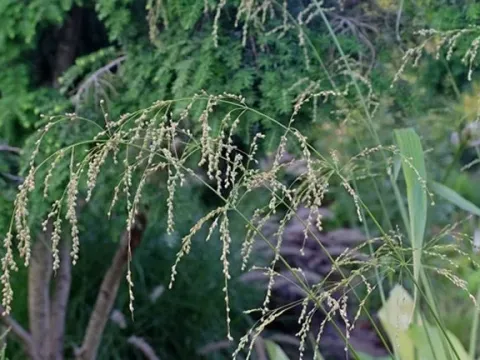
Phaenosperma
Phaenosperma
Phaenosperma is a genus of perennial grasses belonging to the Poaceae family. The most prominent species, Phaenosperma globosa, is native to East Asia, primarily found in temperate forests and woodland margins where it forms distinct, clumping colonies.
What the section contains

Phaenosperma
The plant thrives in soil conditions that are rich in organic matter and possess good drainage capabilities. It prefers environments that mimic its natural woodland habitat, meaning protection from direct, scorching sun and steady access to soil moisture are critical factors for health.
Regarding climatic requirements, Phaenosperma is adapted to temperate zones with distinct seasons. It shows significant resilience to cold winters, though it prefers moderate summer temperatures to avoid heat stress during its primary vegetative development phase.
In terms of agricultural management, maintaining a stable moisture level is essential, especially during the initiation of the reproductive stage. As a non-traditional crop, its agronomic requirements remain focused on experimental cultivation, utilizing selective organic fertilization to optimize foliage development.
The primary utility of Phaenosperma currently lies in horticulture, where it is valued for its graceful, drooping panicles that add aesthetic appeal to garden compositions. Future research may focus on its biochemical properties and potential integration into sustainable landscape systems.