
Phaenosperma globosum
Phaenosperma globosum
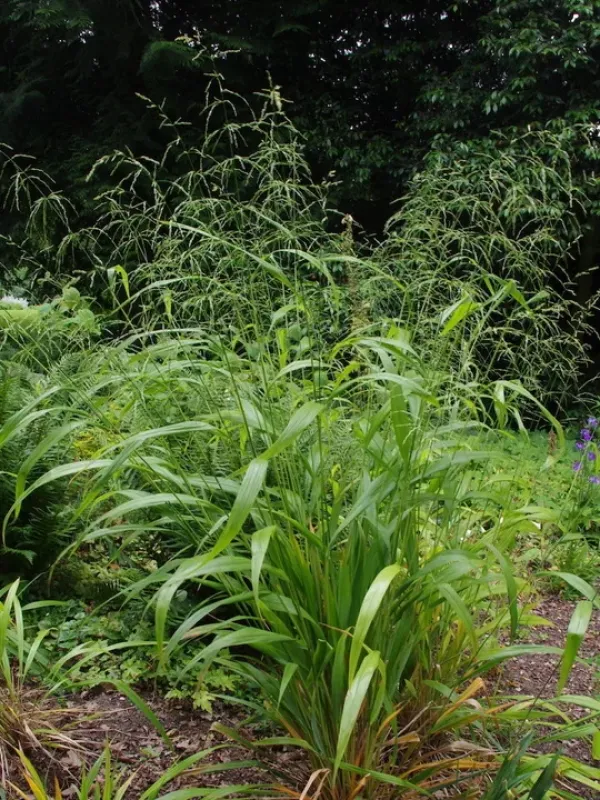
Description
Growing requirements
Phaenosperma globosum is a perennial herbaceous plant belonging to the Poaceae family. It is native to the temperate regions of East Asia, primarily found in the wild forests of China, Japan, and the Korean Peninsula.
This species forms dense, robust clumps that can reach heights of up to 120 centimeters. The plant is characterized by its broad, lanceolate leaves and distinctive, spherical-shaped spikelets, which give the plant its specific botanical name.
The culture thrives in fertile, moist, and well-drained loam soils. It is particularly well-adapted to partial shade conditions, making it an excellent candidate for forest gardens or woodland landscaping projects where sunlight is limited.
Agricultural management requires consistent soil moisture levels throughout the growing season. While the plant is winter-hardy, mulching around the root zone during the first year of establishment helps in maintaining optimal thermal conditions.
Primarily cultivated for ornamental purposes, Phaenosperma globosum serves as a sculptural element in landscape design. Its ability to colonize damp, shady slopes also allows for minor use in soil erosion control for specialized horticultural applications.
Main diseases and pests
Phaenosperma globosum demonstrates significant natural resistance to common fungal pathogens. However, improper air circulation in overly dense plantings can occasionally lead to powdery mildew outbreaks during humid summer periods.
Minor pest infestations, such as aphids, may occur when the plant is stressed by prolonged drought or nutrient deficiency. These pests typically focus on the tender, developing parts of the foliage during the early spring.
The most effective management strategy involves cultural control methods. Ensuring proper spacing between plants is crucial for adequate air movement, which prevents the development of most fungal diseases and minimizes insect habitats.
Sanitation practices, such as removing old plant material during winter, help reduce the overwintering sites for potential pathogens. This simple maintenance step is often sufficient to keep the clumps healthy year after year.
Heavy chemical intervention is generally unnecessary for this species. Integrated pest management, focusing on biological balance and environmental suitability, is recommended for long-term health and vitality of the grass.