
Pentapogon
Pentapogon
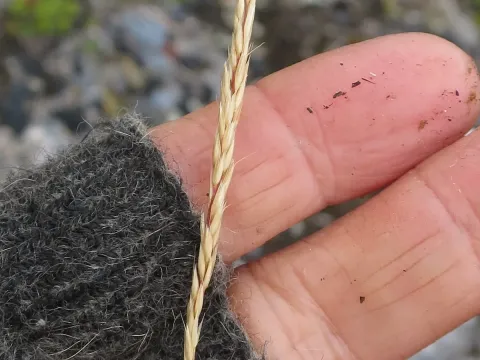
Pentapogon is a small genus of annual grasses belonging to the Poaceae family. Native to Australia, these plants are highly adapted to the unique, cyclical climatic patterns of the continent, specifically those involving distinct seasonal moisture availability.
What the section contains


Pentapogon
Sowing should be timed to align with the arrival of seasonal rains, which triggers the germination process. In an agricultural setting, moisture is the primary factor limiting the successful establishment of this grass, requiring careful monitoring of soil water levels.
The seeds are relatively small and require precise sowing depth, usually not exceeding 1 to 2 centimeters. Shallow planting ensures that the emerging seedlings do not exhaust their energy reserves before reaching the soil surface for photosynthesis.
Growth stage progression is strongly dictated by photoperiod and soil temperature. As a specialist of specific ecological niches, the plant has evolved to complete its lifecycle rapidly, ensuring that seed production occurs before the peak of the dry season.
Proper density management is essential during the sowing phase to prevent intense competition between individual plants. By providing adequate space, the farmer encourages better tiller development and higher overall biomass production per unit area.
Pentapogon thrives in well-drained, sandy to loamy soil types. It is particularly sensitive to waterlogging, as the root system requires significant oxygen levels to function efficiently and prevent the development of root-rot pathogens.
The crop is highly heliotropic and requires full sun exposure for optimal growth. Shaded conditions lead to weak stems and a significant reduction in the photosynthetic rate, which directly impacts the plant's structural integrity and reproductive potential.
The ideal temperature range is moderate, characteristic of subtropical to temperate climates. Extremes in temperature, especially sudden frosts, can severely damage the plant's delicate vascular tissues and hinder its recovery during the growing season.
Nutrient requirements are moderate, with a focus on nitrogen for leafy biomass and phosphorus to support the early development of a healthy root system. A soil test is recommended before planting to adjust the fertilization program according to nutrient levels.
Maintenance involves weed control during the seedling stage, as young plants are poor competitors. Once the grass reaches the tillering phase, it develops a more robust canopy, which effectively suppresses the growth of opportunistic weeds in the area.
Fungal infections, such as rusts and leaf spots, represent the most significant threat to Pentapogon crops. These pathogens thrive in high-humidity environments, necessitating good airflow and adequate spacing between rows to mitigate the risk of infection.
Insects like aphids and various cereal flies can cause substantial damage to the plant's soft tissues. These pests typically feed on the sap or destroy the growing points, leading to stunted growth and potentially failing crops if not treated promptly.
Soil-borne nematodes represent a hidden threat that can devastate the root system, especially in plots where proper crop rotation is not practiced. Effective management involves alternating Pentapogon with non-host crops to break the life cycle of these pests.
Integrated pest management (IPM) strategies, which prioritize early detection and the use of resistant varieties, are the best defense. Chemical controls should be used judiciously to avoid destroying beneficial insect populations within the agricultural ecosystem.
Harvesting time also influences the threat profile; leaving the crop in the field for too long after maturity can increase the risk of seed shedding and exposure to grain-eating pests, making timely harvesting a critical safety practice.