
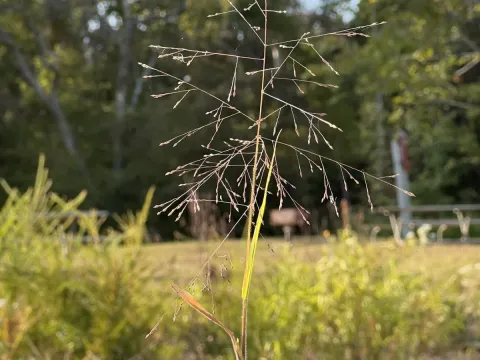
Philadelphia panicgrass
Panicum philadelphicum
Philadelphia panicgrass (Panicum philadelphicum) is an annual grass species belonging to the Poaceae family, known for its adaptability in various habitats.
What the section contains
Philadelphia panicgrass
The sowing season typically begins in late spring, once the soil has warmed sufficiently, ensuring rapid germination of the small, hardy seeds.
Seeds should be planted at a shallow depth of approximately 1 to 2 centimeters in a well-prepared seedbed to optimize soil contact and moisture uptake.
Proper spacing is essential, as the plants can tiller significantly, requiring adequate room to develop a healthy canopy and robust root system.
Post-sowing soil compaction is recommended to ensure stability for the seedlings and to facilitate consistent water distribution across the planted area.
This species thrives in well-drained soils, preferring sandy to loamy textures that allow for good root penetration and sufficient oxygen availability.
As a sun-loving plant, it requires full exposure to sunlight throughout the day to achieve its maximum biomass production and seed set potential.
The plant demonstrates moderate heat tolerance, performing best in temperate to warm summer climates with temperatures ranging from 20 to 28 degrees Celsius.
Water requirements are highest during the early vegetative stage and the heading phase, where consistent moisture availability supports structural development.
Nitrogen fertilization should be managed carefully to avoid excessive vegetative growth that may compromise the plant's structural integrity under wind stress.
Fungal diseases, including various types of smut and leaf spot, are the primary pathogens that may affect the plant during humid, stagnant weather conditions.
Pests such as grass bugs and aphids pose a threat by extracting nutrients from the stems and leaves, which can reduce the overall health of the crop.
Integrated pest management strategies should focus on scouting and early intervention to maintain healthy populations without excessive chemical use.
Weed competition during the establishment phase is critical, as the small seedlings can be easily overtaken by aggressive annual weeds in the field.
Proper crop rotation practices help in disrupting the life cycle of soil-borne pathogens, ensuring the long-term sustainability of the field site.
Seed harvesting is conducted when the panicles reach full physiological maturity, typically characterized by a change in color and seed firmness.
Forage harvesting should be timed before the stems reach full lignification, ensuring the nutritional value remains high for livestock consumption.
Effective harvesting equipment must be calibrated to account for the seed's tendency to shatter easily when the panicles are disturbed during operation.
Post-harvest cleaning and rapid drying are necessary to bring the seed moisture content down to safe levels, preventing degradation during storage.
Storage facilities should remain cool and dry, protecting the yield from humidity and pests while maintaining the viability of the harvested materials.