
Pholiurus
Pholiurus
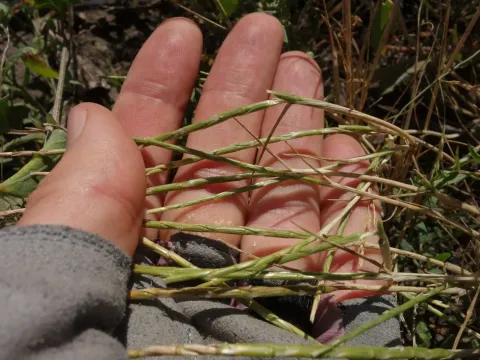
Pholiurus is a genus of annual grasses belonging to the family Poaceae. These plants are characterized by their narrow, spike-like inflorescences, where the spikelets are embedded or closely appressed to the rachis, giving the appearance of scales.
What the section contains

Pholiurus
The distribution of Pholiurus covers various temperate and subtropical regions, often found in coastal meadows, salt marshes, and arid grasslands. The genus is notable for its adaptation to saline or alkaline environments, where many other forage grasses struggle to survive.
Regarding climatic needs, Pholiurus prefers sunny and well-ventilated locations. It is highly resistant to heat and moderate drought conditions, making it a potentially valuable component for reseeding pasture lands in arid zones.
Soil requirements include good drainage to prevent waterlogging. While the plant can tolerate salinity, it thrives best in well-aerated sandy or loamy soils that provide sufficient nutrient uptake during the active growing season.
In terms of agricultural development, the plant morphology allows for effective wind dispersal and rapid establishment, which is vital for soil conservation efforts and stabilization of sandy substrates in steppe ecosystems.
Common phytopathological threats to Pholiurus include fungal infections such as rusts and powdery mildew. These diseases typically manifest during periods of high humidity or poor air circulation within the plant canopy.
Pest pressure often comes from cereal aphids and various stem-boring larvae that attack the succulent parts of the grass. Such infestations can significantly stunt growth and lead to yield losses in forage production.
Integrated pest management (IPM) strategies are essential, involving regular field inspections and the use of targeted biological or chemical control agents when pest population thresholds are exceeded.
Maintaining proper crop density and avoiding excessive nitrogen fertilization helps in reducing the susceptibility of the plants to various pathogens and environmental stress factors.
Effective crop rotation is recommended to break the life cycles of soil-borne pests and to prevent the build-up of specialized inoculum that might affect the quality of the stand over subsequent seasons.