
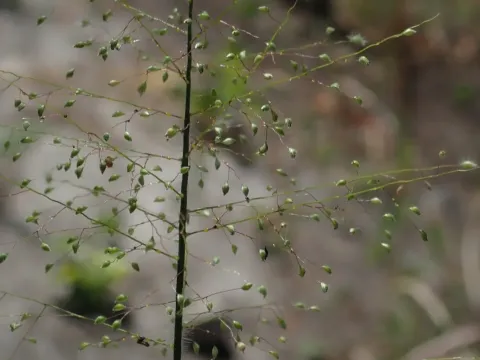
Heterostachyum millet
Panicum heterostachyum
Sowing of Panicum heterostachyum should take place when the soil temperature at the planting depth reaches a steady 12–15 degrees Celsius. Planting in colder soil significantly delays germination and reduces overall seedling vigor.
What the section contains
Heterostachyum millet
The optimal planting depth is between 3 and 5 centimeters, depending on the soil moisture profile and texture. In drier soils, a slightly deeper placement helps ensure consistent access to water for the germinating seed.
The crop is typically established using drill seeding methods to maintain uniform density and ensure that plants have sufficient room for root system development. This approach also facilitates mechanical weeding operations later in the season.
Seeding rates are calculated based on the region's climate and irrigation availability. The goal is to achieve an ideal plant stand density that balances competition for light and nutrients while maximizing grain yield per hectare.
Post-planting rolling is a recommended practice to improve soil-to-seed contact. This mechanical step promotes capillary water movement, which is essential for rapid emergence in fluctuating spring weather conditions.
Panicum heterostachyum, a member of the Poaceae family, thrives in warm climates and is characterized by its high heat tolerance. It effectively utilizes seasonal rainfall, making it a robust crop in semi-arid environments.
The plant prefers fertile, well-drained soils with a neutral or slightly alkaline pH. It performs poorly in waterlogged, highly acidic, or saline conditions, which can inhibit root elongation and nutrient uptake.
Abundant light is crucial for the development of this millet. It should be grown in open, sunny fields away from tree lines or other obstructions that could create shade and reduce the photosynthetic rate of the crop.
Field management includes regular inter-row cultivation to eliminate weeds and prevent the formation of soil crusts. Keeping the soil surface loose improves aeration and allows for better infiltration of rainfall and irrigation water.
Balanced fertilization, particularly early-season nitrogen application, is vital for biomass production. Providing sufficient phosphorus and potassium during the grain-filling stage ensures better yield quality and plant resilience.
Common pests affecting this millet include cereal aphids and various stem-boring insects. These pests can significantly damage the plants by feeding on sap and interfering with the transport of nutrients to the grain heads.
Fungal diseases, such as smut, can pose a risk to the inflorescences if not managed properly. Prevention includes using treated seeds and adhering to strict crop rotation intervals to reduce the buildup of soil-borne pathogens.
Regular scouting of the fields is necessary to identify early outbreaks of pests or diseases. Implementing an Integrated Pest Management (IPM) approach allows for timely and targeted interventions, minimizing chemical usage.
Weed control is essential not only for reducing competition but also for removing host plants that serve as reservoirs for diseases. Clean field borders and timely cultivation are effective preventative measures.
Biological monitoring and the use of resistant varieties, if available, form the foundation of a successful protection strategy against both biotic and abiotic threats throughout the growing season.
Harvesting is typically initiated when the grain reaches full maturity and the moisture content is optimal for storage. Careful timing is critical to prevent yield losses due to grain shattering or lodging caused by wind.
Swathing or windrowing is often preferred over direct combining, as it allows the grain to dry evenly. This method is particularly effective in climates where late-season moisture can degrade grain quality if left in the field.
Post-harvest processing involves cleaning and drying the grain to a safe moisture level, usually below 14 percent. This prevents fungal growth and maintains the quality of the product during extended warehouse storage.
Modern combine settings must be calibrated to avoid mechanical damage to the seeds. Proper adjustment of the threshing cylinder and cleaning fans is essential to maximize the recovery of high-quality, clean grain.
Crop residues, such as straw, can be utilized as livestock feed or incorporated back into the soil. As an organic amendment, this practice helps improve soil structure and replenishes essential nutrients for future crops.