
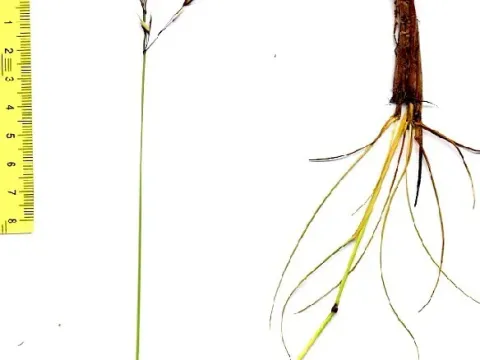
Helictotrichon setaceum
Helictotrichon setaceum
Sowing of Helictotrichon setaceum is best performed in early spring when soil moisture levels are optimal. This timing allows the root system to establish effectively before the onset of summer drought periods.
What the section contains
Helictotrichon setaceum
Seeds should be planted at a shallow depth of 1 to 2 centimeters. Ensuring good seed-to-soil contact is essential for uniform germination and early plant development in the field.
The recommended seeding rate is approximately 12–15 kilograms per hectare. Modern grain drills with depth-control mechanisms are ideal for achieving the desired density of the forage stand.
Since the initial growth rate is slow, weed control is crucial during the establishment phase. Proper land preparation before planting significantly reduces competition from broad-leaved weeds.
Including this grass in legume-based mixtures is a common agricultural practice. This approach not only boosts forage quality but also leverages the nitrogen-fixing properties of legumes.
Helictotrichon setaceum belongs to the Poaceae family. It is a perennial grass species that excels in environments where other common forage grasses might struggle due to moisture stress.
The plant demonstrates excellent adaptability to diverse soil textures, including rocky or gravelly soils where water retention is typically lower. It thrives in well-drained environments.
Climate-wise, the species is highly drought-tolerant, making it suitable for steppe and semi-arid regions. It requires full sunlight to maintain high photosynthetic productivity and biomass accumulation.
Soil pH should ideally be in the neutral range of 6.0 to 7.5. For acidic soils, liming is recommended to improve the availability of essential minerals and promote robust root growth.
Strategic fertilization with nitrogen in early spring and phosphorus-potassium blends after cutting cycles helps maintain the vigor and longevity of the grass stand over several years.
Yield stability is a key advantage of this species. Even in years with lower-than-average precipitation, the plant continues to produce reliable biomass, ensuring consistent forage availability.
Biologically, the plant maintains a high nutrient concentration in its narrow leaves, which is highly appreciated in livestock nutrition. It provides high-quality hay when harvested at the right stage.
Seed production yields range from 300 to 500 kilograms per hectare depending on crop management intensity. Timely harvest is critical to prevent seed shattering in the field.
The forage remains palatable throughout the season, allowing for efficient use in rotation grazing systems. It recovers quickly after grazing if the grazing intensity is strictly managed.
Productive lifespan of a well-maintained stand typically extends up to 7 years. Periodic over-seeding or rejuvenation of the field is suggested to prevent stand thinning over time.
Common agricultural pests such as aphids and various grass-feeding larvae can impact the crop. Integrated Pest Management (IPM) practices, including biological controls, are highly effective.
Fungal diseases like rust and powdery mildew can occur during humid periods. Selecting resistant varieties and ensuring adequate air circulation within the stand are primary preventive strategies.
Overgrazing poses a significant risk to plant recovery. Maintaining a minimum stubble height of 5–7 cm protects the growing points and ensures rapid regrowth for subsequent cycles.
Invasive weeds are the primary threat to young seedlings. Selective herbicides or timely mowing can mitigate this risk, allowing the perennial grass to dominate the stand eventually.
Monitoring for signs of pest pressure and disease during the vegetative growth phase is essential for maintaining crop health and ensuring maximum yield performance for the season.
The optimal harvest timing for hay is at the late boot to early heading stage. This provides the best nutritional profile, balancing energy content and structural carbohydrates for livestock.
Using mower-conditioners accelerates the drying process of the cut material. Rapid moisture loss is necessary to retain the green color and nutritional integrity of the harvested forage.
Harvesting for seeds involves cutting the crop when the seeds reach the wax maturity stage. Direct or two-stage harvesting is employed to minimize loss and ensure high seed quality.
Proper storage is vital to protect the harvested hay from moisture and mold. Providing good ventilation in storage sheds keeps the nutritional content stable throughout the winter period.
Post-harvest management should include clearing field debris to promote healthy regrowth. Proper field maintenance ensures the grass enters the dormant period with sufficient energy reserves.