
Hillman's panicgrass
Panicum hillmanii
Description
Growing requirements
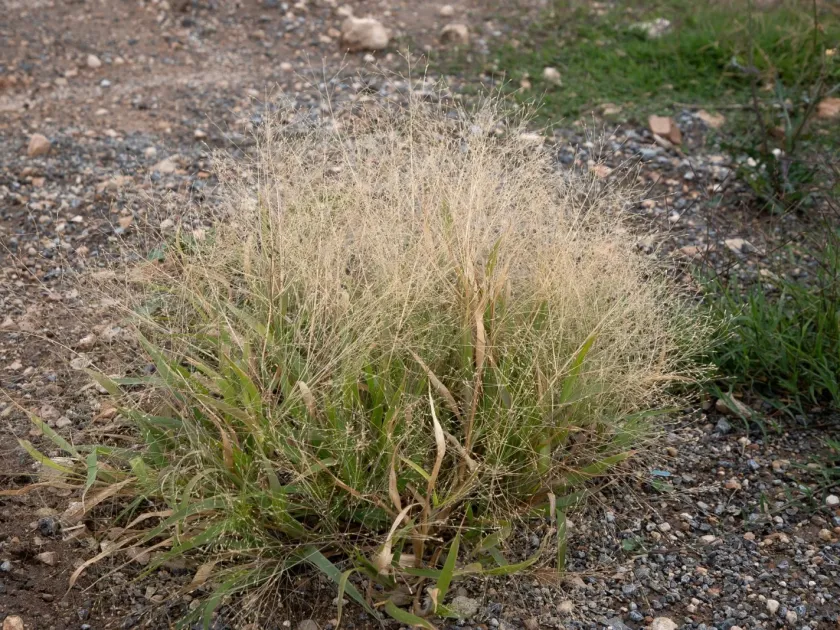
Hillman's panicgrass (Panicum hillmanii) is an annual grass species belonging to the Poaceae family. Native to parts of North America, this plant is well-adapted to arid environments and open spaces, reflecting its evolutionary strategy for survival in heat-prone habitats.
Botanically, it is characterized by its panicle inflorescences and slender, upright stalks. The plant thrives in well-drained, sandy or gravelly soils where water infiltration is high. Its root system is specifically adapted to efficiently absorb moisture in volatile moisture regimes.
Regarding climate requirements, the species shows a strong preference for warm growing seasons. It is highly resistant to heat stress, making it a potential candidate for cultivation in semi-arid regions where conventional cereal crops often fail due to extreme temperature fluctuations.
The agronomy of this crop focuses on its low-input requirements. It does not demand high levels of fertilization to produce biomass, making it economically attractive for extensive pastoral farming and land conservation projects where sustainable vegetation cover is required.
Economically, Hillman's panicgrass is utilized as a forage source. Its ability to maintain structural integrity under grazing pressure and survive during low-rainfall periods allows for a more stable fodder supply in marginal landscapes compared to more sensitive domesticated grass varieties.
Main diseases and pests
Common threats to this species include fungal infections such as smut and rust, which may become problematic in seasons with abnormal precipitation patterns. Maintaining proper field hygiene is essential for minimizing the risk of disease spread within the stand.
Insect pests, including various aphids and stem borers, can impact the growth rate of the grass. Integrated pest management (IPM) strategies, involving crop rotation and careful monitoring, are recommended to maintain healthy stands and ensure optimal forage quality.