
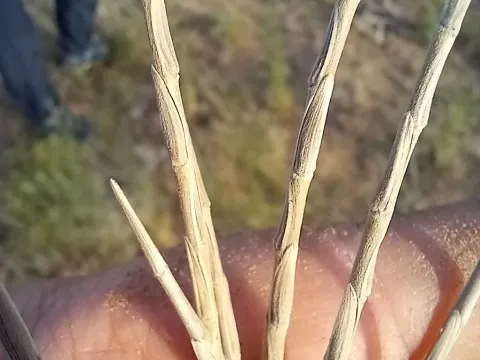
Henrardia
Henrardia
Henrardia is a genus of annual grasses belonging to the Poaceae family. These plants are uniquely adapted to harsh, arid environments, making them a subject of interest for specialized agricultural studies in dry regions.
What the section contains

Henrardia
The primary requirement for successful cultivation is exposure to direct sunlight. Henrardia thrives in well-drained, stony, or sandy soils where water stagnation is completely avoided to prevent root diseases.
Its physiological traits are geared towards water efficiency. The plant completes its lifecycle rapidly during the cooler, wetter months of the year, entering dormancy or senescence before the onset of extreme summer heat.
Temperature tolerance is a hallmark of this genus. It is capable of germinating in fluctuating temperatures and maturing under intense solar radiation, which is essential for survival in its natural habitats.
In modern agricultural contexts, researchers explore the potential of Henrardia as a hardy cover crop component for soil stabilization in desert-adjacent areas that are prone to erosion.
Rust fungi represent a major threat to Henrardia, particularly during unusually humid seasons. The infection manifests as necrotic spots on the foliage, which reduces the plant's overall photosynthetic capacity.
Powdery mildew can infect dense stands, especially in areas with low air circulation. Proper spacing during sowing is essential to minimize the risk of this fungal spread within the plant population.
Aphids often target the succulent parts of young stems, sucking the sap and weakening the plant. Effective management involves monitoring for the first appearance of these insects on the vegetative tillers.
Root rot pathogens become a significant issue if the soil remains waterlogged. Ensuring that the site selection allows for excellent soil drainage is the most effective biological defense against these infections.
Cereal beetles may pose a threat to the inflorescences during the grain-filling stage, potentially compromising the yield of viable seeds for subsequent seasons if left unchecked by integrated management strategies.