
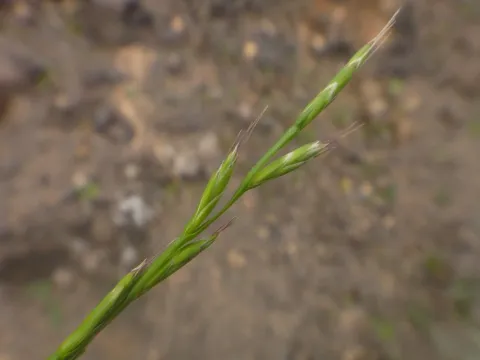
Canary ryegrass
Lolium canariense
Canary ryegrass (Lolium canariense) is a specialized annual grass species belonging to the Poaceae family. This plant is endemic to the Canary Islands and possesses specific biological requirements for its development.
What the section contains
Canary ryegrass
In its natural habitat, the crop prefers a mild subtropical climate with moderate temperature fluctuations. It is well-adapted to specific island conditions, where high air humidity combines with well-drained volcanic soils.
For optimal growth, Canary ryegrass requires sufficient sunlight and protection from strong maritime winds. Soil conditions should be slightly alkaline or neutral, enriched with micronutrients characteristic of its native region.
The plant features a developed root system that allows it to effectively utilize limited moisture reserves during the spring season. However, the culture is highly sensitive to severe frost and prolonged drought, which limits its commercial viability in other climatic zones.
Cultivation practices involve soil preparation with organic fertilizers to stimulate early vegetative growth. Propagation occurs through seeds, and maintaining optimal planting density is essential to prevent resource competition among seedlings.
The economic use of Canary ryegrass is primarily focused on producing high-quality forage, which is highly nutritious for livestock and grazing animals.
The biochemical profile of the plant, particularly during the tillering phase, shows a high percentage of protein and fiber. This makes it a valuable component of pasture mixes in regions with similar climates, where other ryegrass species may be less efficient.
Under favorable conditions and with timely irrigation, the crop can produce multiple cuts per season. Yield potential is directly dependent on the level of management and the intensity of mineral nutrition during the active growth phases.
Seed productivity is moderate, requiring careful timing during the harvesting of heads to prevent grain shattering. Harvesting is typically conducted using mechanized equipment during the wax maturity stage.
Beyond its forage utility, Canary ryegrass is of great interest to plant breeders as a source of unique genes for adaptation to island environmental niches, contributing to the preservation of local biodiversity.
Primary threats to the crop include specific fungal infections that flourish in high humidity, such as grass rust and various types of leaf spot diseases.
Pests common to the region, including cereal flies and aphids, can cause significant damage to the crop during the stem elongation phase. Monitoring insect populations is a mandatory element of the agronomic control strategy.
Weed infestation can suppress young Canary ryegrass plants during the early development stages, necessitating the use of selective herbicides or careful pre-sowing soil tillage.
Poor crop rotation can lead to the accumulation of soil-borne pathogens, resulting in reduced seed germination rates. It is recommended to observe a minimum three-year interval before returning the crop to the same field.
The overall resilience of the plant to environmental stress is moderate, making strict adherence to agronomic guidelines the most effective way to protect the yield from potential losses.