
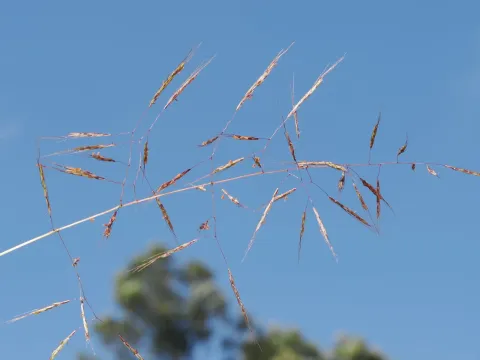
Capillipedium
Capillipedium
Capillipedium, a member of the Poaceae family, is typically propagated through seeds, which should be sown during the spring season once the soil temperature is sufficient for germination.
What the section contains


Capillipedium
It is recommended to use a high-quality seed bed, ensuring that the seeds are placed at a shallow depth of 1–2 centimeters to optimize emergence rates.
In regions with fluctuating temperatures, pre-soaking the seeds or ensuring consistent soil moisture can significantly enhance the speed and uniformity of germination.
Sowing can also be carried out using vegetation division in early spring, which is beneficial for establishing robust stands in specific agricultural plots.
Adequate row spacing is essential to allow the plants enough room for tillering, which is a key growth phase for this grass species.
This crop thrives in well-lit, sunny environments and is highly sensitive to shading, which can inhibit its development and reduce overall biomass production.
It adapts well to a variety of soil types, although it performs exceptionally well in well-drained loams that retain sufficient moisture without becoming waterlogged.
Capillipedium exhibits moderate drought tolerance, yet it responds positively to regular irrigation, especially during critical stages like tillering and stem elongation.
The optimal pH range for this grass is between 6.0 and 7.0, allowing for efficient nutrient uptake and healthy development of the root system.
Strategic fertilization with nitrogen and phosphorus helps maintain high levels of productivity in perennial stands throughout the growing season.
As a valuable forage resource, Capillipedium is prized for its ability to produce significant amounts of green matter suitable for livestock consumption.
The yield potential is highest during the second and third years of establishment, provided that the stand is managed with proper cutting intervals.
The crop is known for its rapid regrowth, allowing for multiple harvests within a single season under favorable climate and moisture conditions.
Nutritional analysis shows that the biomass maintains high quality if harvested before the flowering phase, ensuring a balance of protein and digestible fibers.
Effective management of grazing or cutting schedules is crucial to maximize the annual yield without depleting the plant's carbohydrate reserves.
Like many grass species, Capillipedium can be susceptible to various fungal diseases, particularly rusts and leaf spots, in conditions of high humidity.
Pest pressures, such as aphids and grass-feeding insects, may occasionally affect plant health, necessitating integrated pest management strategies.
Poor drainage is a major threat to root health, as it promotes soil-borne pathogens that can cause root decay and plant mortality.
Maintaining proper air circulation through balanced plant density is an effective way to naturally suppress the spread of airborne pathogens.
Regular field scouting is essential to identify early signs of infestation and to apply necessary control measures before they impact total yield.
Harvesting for forage should be conducted in the late vegetative stage, before the plant enters the reproductive phase, to ensure maximum nutritive value.
Mechanical mowers are commonly used, with settings adjusted to leave a sufficient stubble height to protect the growing points and promote fast regrowth.
For hay production, the cut material should be spread to dry under the sun, ensuring that moisture content is reduced to safe levels for storage.
Seed harvesting requires careful timing, targeting the stage when seeds are fully developed but have not yet begun to shatter from the inflorescence.
Proper post-harvest processing, including cleaning and drying, is vital to ensure long-term viability and quality of the harvested seed material.