
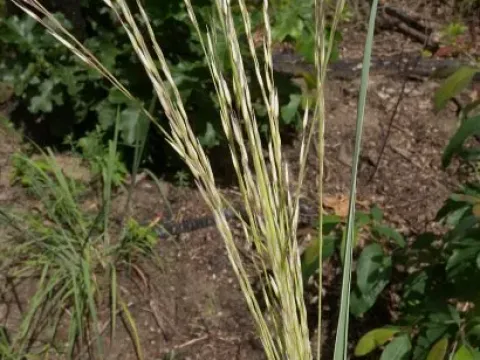
Calamovilfa
Calamovilfa
Calamovilfa belongs to the Poaceae family and is recognized as a hardy perennial grass species. Originating from North America, it has evolved to thrive in challenging environments, particularly those characterized by sandy soils and significant moisture stress.
What the section contains


Calamovilfa
The botanical features of this plant include a robust, spreading rhizome system and stiff, upright foliage. These adaptations allow the plant to tolerate severe environmental pressures, including high winds and prolonged drought, which are typical for its native habitat on prairies and dunes.
Regarding cultivation requirements, Calamovilfa is a sun-loving species that demands well-drained, porous soils. It is highly valued for its ability to persist in low-fertility substrates and its high salt tolerance, making it an excellent candidate for land reclamation projects.
Agronomic practices for this culture are generally low-input. Once established, the plant requires very little maintenance, though initial weed control is necessary to allow the root system to gain strength during the first growing season. It thrives in open landscapes where it can fully utilize solar energy.
The primary agricultural use of Calamovilfa is in the field of phytoremediation and soil conservation. Because of its dense, aggressive rooting habit, it is widely utilized to stabilize eroding slopes, secure shifting dunes, and restore marginal lands that are unsuitable for traditional food crops.
Calamovilfa is noted for its exceptional natural hardiness, showing high levels of resistance to most common agricultural pathogens. Its physical characteristics, such as thick and fibrous leaves, make it physically unattractive to many typical foliage-feeding insects.
However, growers should remain vigilant during periods of unseasonable moisture or poor soil drainage, which could create conditions favorable for root rot or fungal crown infections. Maintaining proper airflow and soil moisture balance is key to preventing these minor vulnerabilities.
Occasional infestations of generalist pests, such as aphids or moth larvae, may occur in the early spring, but they rarely reach economic injury thresholds. The plant's vigorous growth rate typically allows it to compensate for minor feeding damage without requiring chemical intervention.
Effective pest and disease management for this species is centered on preventative cultural practices rather than curative chemical treatments. Avoiding over-fertilization and preventing water stagnation are the best methods to maintain a healthy and productive stand of this grass.
Field inspections should be performed periodically to monitor for early signs of stress or anomalous growth patterns. Early detection of environmental issues allows for quick corrective actions, such as adjusting irrigation or enhancing drainage, which are essential for long-term stand vitality.