
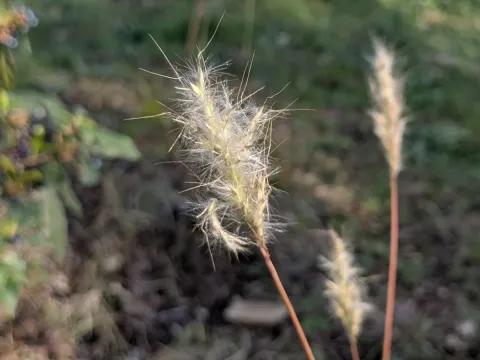
Cane bluestem
Bothriochloa barbinodis
Cane bluestem (Bothriochloa barbinodis) is a perennial warm-season grass typically sown during the spring once soil temperatures reach approximately 15 to 18 degrees Celsius. Consistent soil moisture is vital during the germination phase to ensure a successful stand.
What the section contains
Cane bluestem
It is recommended to use specialized grass seed drills for planting, as the seeds are relatively small. The ideal planting depth is shallow, ranging from 1 to 2 centimeters, to prevent seed exhaustion during emergence.
While natural seed dispersal occurs in late summer or autumn, agricultural cultivation prioritizes spring sowing to provide the plant with a full growing season for root establishment before the first frost.
Seeding rates should be adjusted based on seed viability and the intended density of the field. Proper spacing is crucial, as overcrowding can lead to poor air circulation and increased vulnerability to disease.
Seedlings develop slowly during the initial weeks of growth. During this stage, it is essential to keep the field free from competitive weeds that can rapidly overtake young grass plants.
As a member of the Poaceae family, Cane bluestem is highly adapted to semi-arid environments. It is recognized for its exceptional drought tolerance, making it an excellent choice for regions with limited rainfall.
This species thrives in well-drained soils, including sandy, gravelly, or loam textures. It does not tolerate waterlogged conditions, as poor drainage often leads to root rot and poor stand survival.
Cane bluestem requires full sun exposure to reach its maximum productivity. Shaded areas significantly inhibit its growth rate and reduce the overall quality of the forage provided.
The plant is highly heat-resistant, maintaining active growth during peak summer temperatures when many cool-season grasses enter dormancy. This makes it a reliable component in summer grazing programs.
It is not highly demanding regarding soil fertility and can thrive in degraded or nutrient-poor soils, which often makes it a candidate for soil stabilization and land reclamation projects.
Cane bluestem is primarily utilized for cattle grazing and hay production. It offers a consistent source of forage during the hot summer months, bridging the productivity gap for livestock operations.
Forage yield depends largely on seasonal rainfall and the frequency of harvesting or grazing. Under managed conditions, multiple harvests per season are possible with adequate soil nitrogen levels.
The nutritional value is highest in the vegetative stage. As the plants mature and head out, stems become more fibrous and lignin content increases, which reduces palatability for livestock.
Beyond its forage value, the plant features a deep, fibrous root system that provides excellent erosion control, making it beneficial for protecting fragile lands or steep slopes from wind and water damage.
Its ability to remain resilient under low-input conditions makes it a sustainable choice for restoring disturbed sites, such as abandoned farmland or road construction sites.
The main pathological threats include various rust fungi, which are particularly problematic during humid or rainy seasons. These infections can discolor foliage and reduce the overall nutritional density.
Insects like grasshoppers and leafhoppers can damage stands by feeding on succulent leaves. Regular scouting is recommended to determine if integrated pest management strategies are necessary.
Competition from invasive weeds during the establishment year is the most significant threat to a new stand. Proper weed control strategies are essential to ensure the longevity of the grass field.
Overgrazing is a major concern, as constant removal of leaf tissue depletes the plant's carbohydrate reserves in the crown, eventually leading to stand decline and susceptibility to environmental stressors.
To maintain a healthy stand, farmers should implement rotational grazing practices that allow for adequate regrowth periods. This strategy minimizes disease pressure and ensures long-term pasture productivity.