
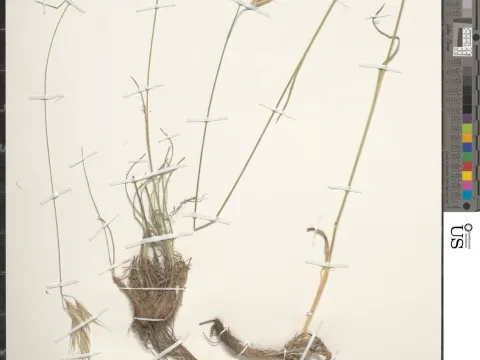
Cappadocian brome
Bromus cappadocicus
Cappadocian brome (Bromus cappadocicus) is a perennial grass species that requires careful soil preparation before planting to ensure successful establishment.
What the section contains
Cappadocian brome
The optimal sowing time is typically in early spring or late autumn, providing the seedlings with sufficient moisture during their initial growth phase.
Seeds should be sown at a shallow depth of 1.5 to 2 centimeters to ensure adequate contact with the soil while allowing for rapid germination.
Standard seeding rates range from 12 to 18 kilograms per hectare, depending on soil fertility and the specific goals of the pasture or meadow management.
Once planted, rolling the seedbed is a crucial practice that optimizes soil moisture retention and improves overall seed-to-soil contact for better emergence.
This grass is well-adapted to varied climatic conditions, exhibiting significant drought tolerance once its root system is fully established.
It performs best in well-drained, fertile soils ranging from black earths to light loams, as it is sensitive to prolonged waterlogging of the roots.
As a grass species originating from mountain and sub-mountain areas, it thrives in environments with good air circulation and moderate temperature fluctuations.
Soil pH should ideally be neutral or slightly alkaline, as high acidity tends to suppress the vegetative growth and overall productivity of the crop.
Regular fertilization with phosphorus and potassium is highly recommended to support root development and increase the density of the grassy stand over time.
The yield potential of Bromus cappadocicus is influenced by management intensity and environmental factors, offering a reliable source of green mass.
Under optimal conditions, it can provide multiple cuts per season, typically peaking in productivity during the late spring and early summer months.
The nutritional value is highest before the flowering stage, making timely harvesting essential for maintaining quality protein levels in the harvested forage.
Depending on local agronomic conditions, annual hay yields can reach 4 to 6 tonnes per hectare when properly fertilized and managed with rotational grazing.
Consistent management of harvesting cycles helps in maintaining the health and longevity of the grass, ensuring productivity for several consecutive years.
Like many perennial grasses, this species is susceptible to various fungal pathogens, particularly in regions with high humidity and poor drainage.
Leaf rust and powdery mildew are the most common diseases, which can be managed by maintaining proper stand density and ensuring adequate aeration.
Insect pests, such as aphids and grass-feeding flies, can occasionally cause damage to the leaves, reducing the plant's overall photosynthetic capacity.
Integrated pest management, including crop rotation and strategic mowing, is preferred over heavy chemical use to preserve the health of the pasture ecosystem.
Regular monitoring of the stand is key to identifying threats early and implementing corrective measures before widespread damage occurs to the crop.
The primary harvest time for hay is during the early flowering phase, as this period maximizes the nutrient density and palatability of the forage.
Mowing should be performed at a height of 5 to 7 centimeters to protect the growing points and encourage vigorous regrowth for subsequent cuts.
Proper drying techniques in the field are necessary to preserve the green color and nutritional integrity of the grass during the hay-making process.
Seed harvesting requires precise timing to prevent shattering, especially when the mature spikes begin to dry in the field under hot or windy weather.
Efficient utilization of specialized harvesting machinery ensures a clean cut and minimizes losses of the leafy material, which contains the highest protein content.